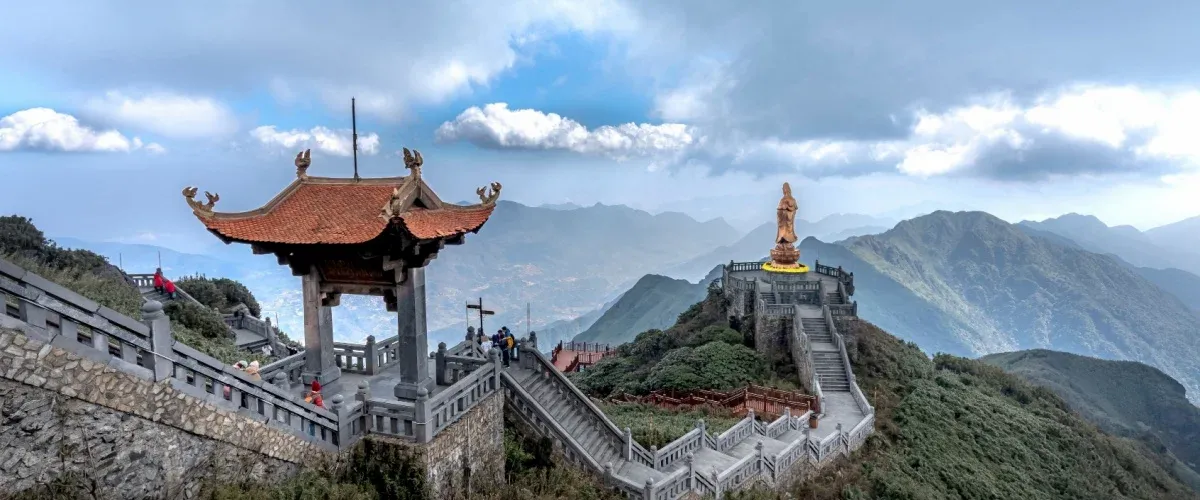
Vietnam is a country where ancient traditions blend seamlessly with dramatic landscapes, vibrant cities, and mouthwatering cuisine. From limestone karsts rising out of emerald waters to lantern-lit streets and terraced rice fields, every corner offers something unique. Whether you're an adventure seeker, history lover, foodie, or beach enthusiast, Vietnam promises experiences that linger long after you leave. In this blog, let's discover the best things to do in Vietnam, each offering a distinct window into the country’s culture, beauty, and spirit. Read on...
Top 9 Unforgettable Experiences for Travellers in Vietnam
1. Cruise Through Ha Long Bay
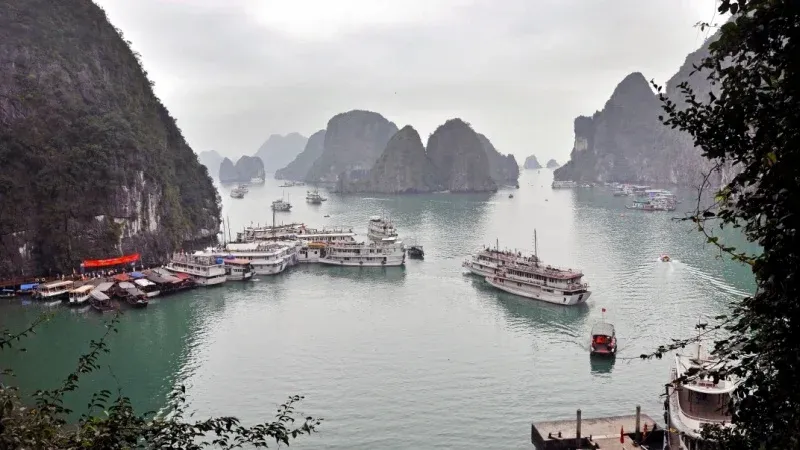
A cruise through Ha Long Bay is one of Vietnam’s most iconic experiences. With thousands of limestone karsts and emerald waters stretching as far as the eye can see, the scenery feels almost otherworldly. Visitors can enjoy overnight cruises on traditional wooden junks, kayak through hidden lagoons, and explore mystical caves like Sung Sot Cave. Sunrise and sunset over the bay are particularly magical, casting golden reflections across the calm sea. Whether you choose a luxury cruise or a budget-friendly option, this UNESCO World Heritage Site promises awe-inspiring views and tranquil moments you will never forget.
2. Wander the Ancient Streets of Hoi An
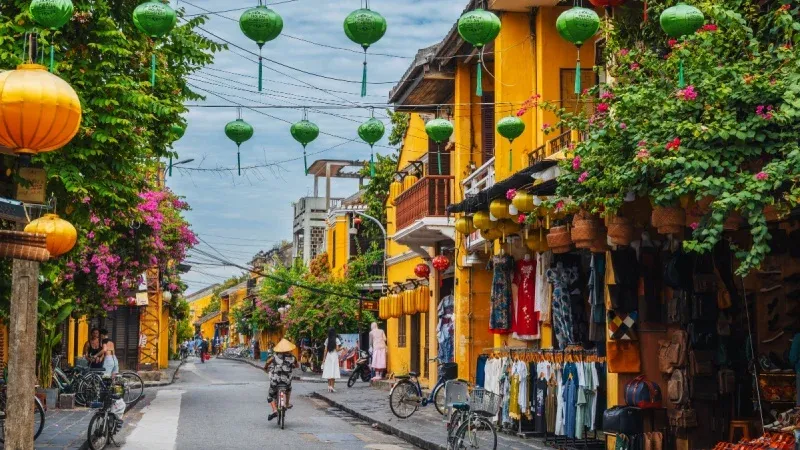
Hoi An Ancient Town is a beautifully preserved trading port dating back to the 15th century. Its lantern-lit streets, historic merchant houses, and charming riverside cafés create an enchanting atmosphere, especially at night. You can explore centuries-old temples, visit the Japanese Covered Bridge, or have custom clothing made by skilled local tailors. Food lovers will adore the local specialties such as cao lầu and white rose dumplings. The town’s blend of Vietnamese, Chinese, and Japanese influences makes it culturally unique. Strolling through Hoi An feels like stepping back in time to a more peaceful era.
3. Discover the Bustling Energy of Ho Chi Minh City
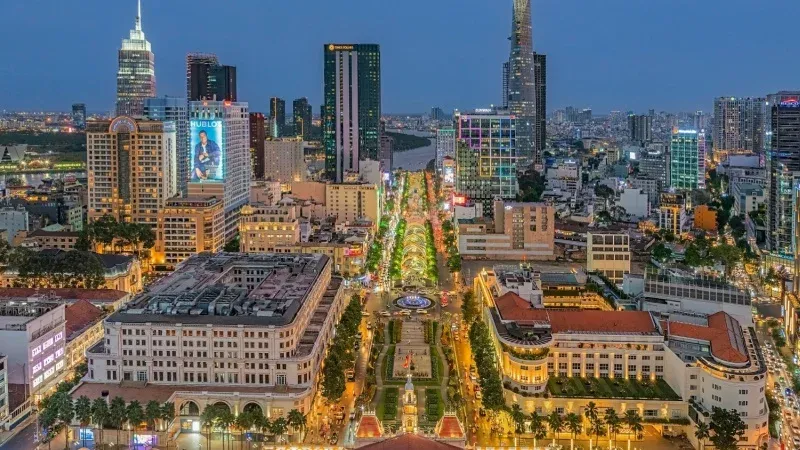
Formerly known as Saigon, Ho Chi Minh City is Vietnam’s economic powerhouse and a thrilling urban adventure. Motorbikes swarm the streets, skyscrapers tower above colonial-era buildings, and street vendors serve delicious food on every corner. Visitors can explore the War Remnants Museum, the Notre-Dame Cathedral Basilica of Saigon, and the historic Cu Chi Tunnels nearby. Rooftop bars offer panoramic city views, while Ben Thanh Market provides vibrant shopping experiences. The city’s dynamic blend of modern ambition and historical reflection makes it a fascinating place to understand Vietnam’s rapid transformation and resilient spirit.
4. Trek Through the Rice Terraces of Sapa
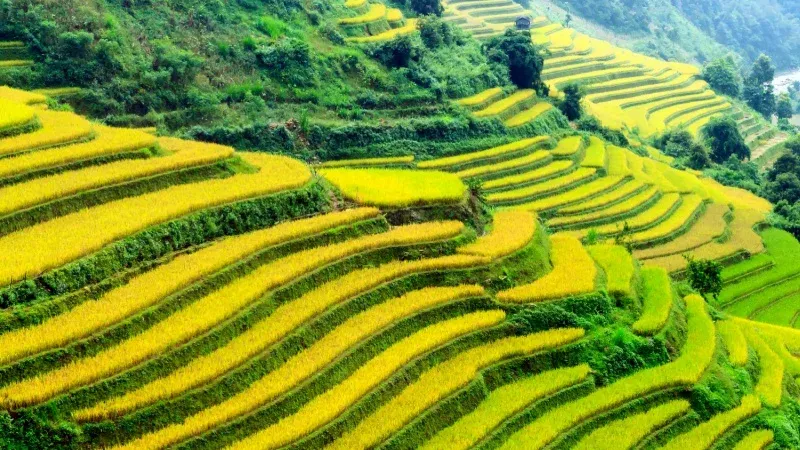
Nestled in northern Vietnam near the Chinese border, Sapa is famous for its stunning terraced rice fields and ethnic minority communities. Trekking through the lush valleys offers sweeping mountain views and opportunities to meet Hmong and Dao villagers. The landscape changes with the seasons—vivid green in summer and golden during harvest time. Guided treks often include homestays, allowing travelers to experience traditional lifestyles firsthand. The cool mountain air provides a refreshing escape from Vietnam’s tropical heat. Sapa’s natural beauty and cultural authenticity make it a must-visit destination for outdoor enthusiasts.
5. Dive into the Imperial History of Hue
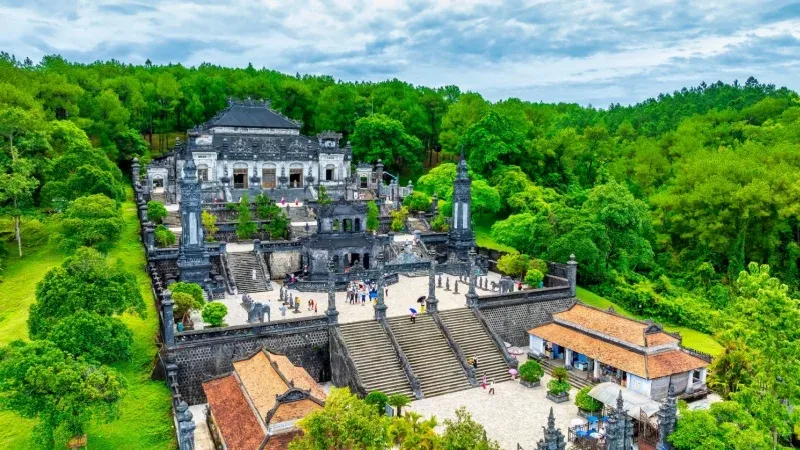
Hue, once the imperial capital of Vietnam, is rich in history and royal architecture. The highlight is the Imperial City, a vast complex of palaces, temples, and gates surrounded by thick stone walls and a moat. Visitors can also explore royal tombs scattered along the Perfume River, each uniquely designed and beautifully landscaped. Hue’s cuisine is renowned for its refined flavors and artistic presentation, reflecting its royal heritage. A dragon boat cruise along the river at sunset adds to the experience. Hue offers a deeper understanding of Vietnam’s dynastic past and cultural sophistication.
6. Relax on the Beaches of Phu Quoc
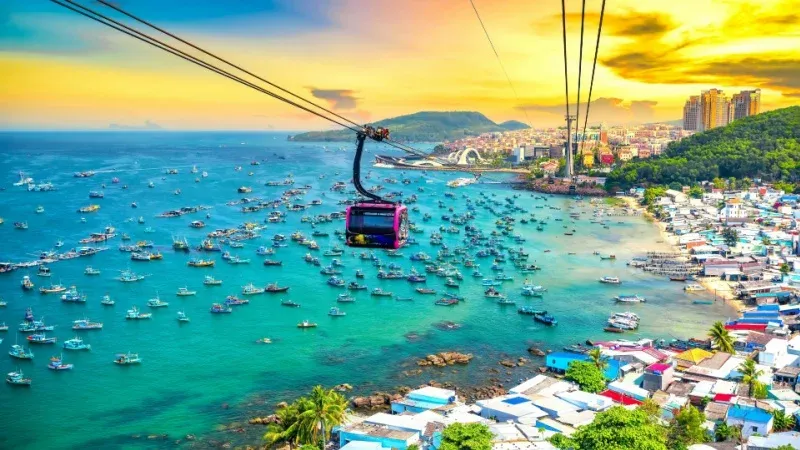
Phu Quoc Island is known for its white sandy beaches and crystal-clear waters. Located in the Gulf of Thailand, it’s an ideal destination for relaxation and water activities. Snorkeling and diving reveal vibrant coral reefs, while boat tours explore nearby islets. Long Beach is perfect for sunset views, and luxury resorts offer indulgent spa experiences. The island is also famous for its fish sauce production and fresh seafood markets. Whether you seek tranquility or adventure, Phu Quoc provides a tropical escape that showcases Vietnam’s coastal beauty at its finest.
7. Visit the Caves of Phong Nha-Ke Bang National Park
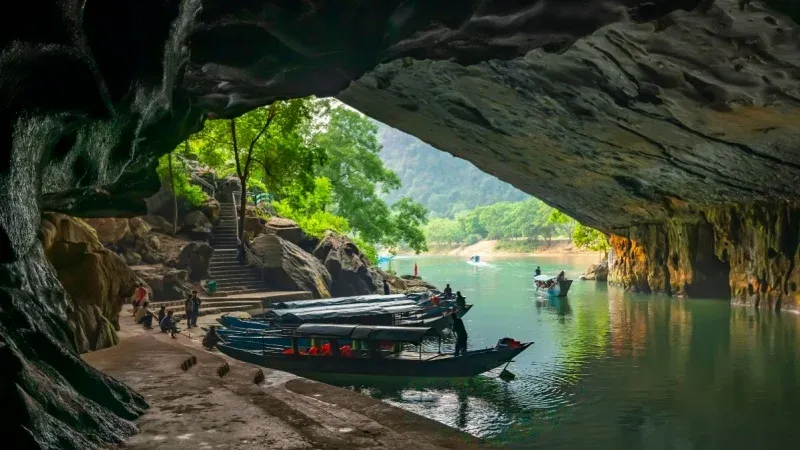
Adventure seekers should not miss Phong Nha-Ke Bang National Park, home to some of the world’s largest and most spectacular caves. The park features underground rivers, dramatic stalactites, and vast caverns like Son Doong Cave. Guided tours range from easy boat rides into illuminated caves to challenging multi-day expeditions. The surrounding jungle and karst mountains add to the park’s rugged appeal. As a UNESCO World Heritage Site, it offers a unique combination of geological wonders and biodiversity. Exploring these caves is a thrilling way to witness Vietnam’s extraordinary natural landscapes.
8. Cruise the Waterways of the Mekong Delta
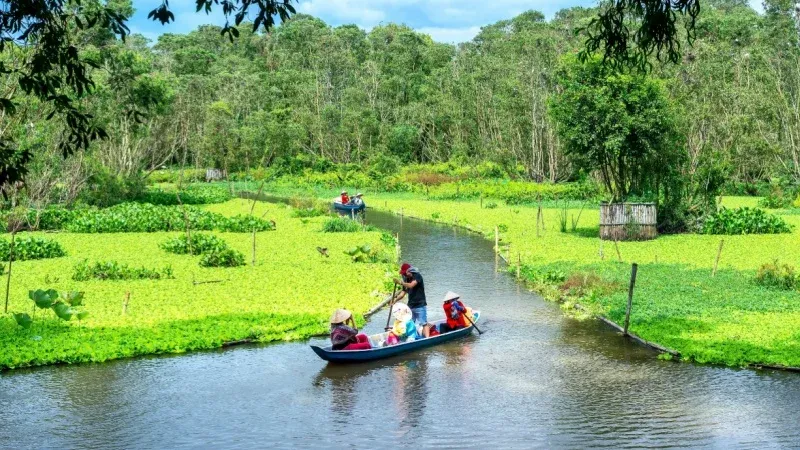
The Mekong Delta is often called the 'Rice Bowl of Vietnam', where life revolves around the river. A boat tour through its maze of canals reveals floating markets, stilt houses, and lush fruit orchards. Visitors can sample tropical fruits, watch traditional craft workshops, and experience the slower pace of rural life. Early morning visits to floating markets provide colorful scenes and authentic interactions with local traders. The delta’s fertile land and vibrant communities highlight a different side of Vietnam—one rooted in agriculture, resilience, and close ties to the natural environment.
9. Marvel at the Sand Dunes of Mui Ne
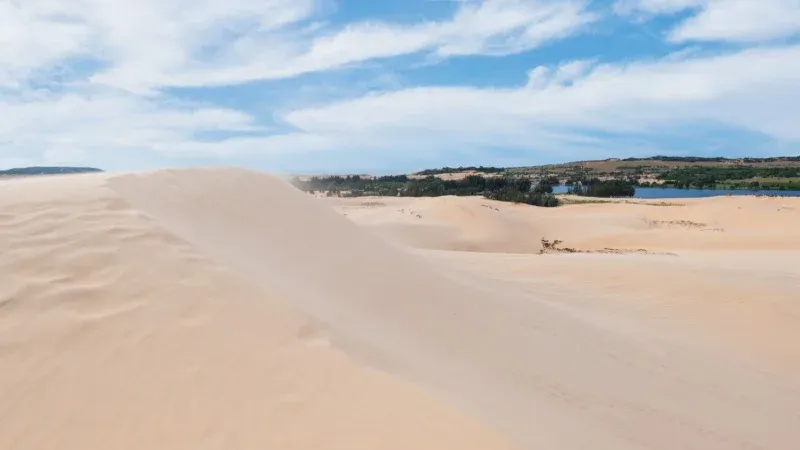
Mui Ne is famous for its striking red and white sand dunes that resemble a desert landscape by the sea. Visitors can rent sandboards or take jeep tours across the rolling dunes, especially stunning at sunrise or sunset. Beyond the dunes, Mui Ne offers excellent conditions for kitesurfing thanks to steady coastal winds. The nearby Fairy Stream provides a gentle walk through shallow waters framed by colorful rock formations. With its unique scenery and laid-back beach vibe, Mui Ne offers a refreshing and unexpected contrast to Vietnam’s lush greenery and bustling cities.
Vietnam is a destination that captivates travelers with its diversity and natural beauty. From dramatic bays and hidden caves to historic cities and peaceful islands, every experience reveals a unique part of the country’s heritage. Those searching for the best things to do in Vietnam will find endless opportunities for adventure, culture, and relaxation. Whether cruising through Ha Long Bay, exploring lantern-lit Hoi An, or trekking in Sapa, Vietnam offers unforgettable moments. Book one of our Vietnam tour packages and get ready to dive into a world beyond the ordinary!
FAQs - Places to Visit in Vietnam
The best time to visit Vietnam is from November to April when the weather is generally dry and pleasant. However, climate varies between the north, central, and southern regions.
Many travelers require a visa to enter Vietnam, but some nationalities receive exemptions. E-visas are available for numerous countries, making the application process simple and convenient online.
Vietnam uses the Vietnamese Dong (VND). While major cities accept cards in hotels and restaurants, cash is essential for street food, markets, and smaller local businesses.
Vietnam is generally very safe for travelers. Petty theft can occur in busy areas, so keep valuables secure. Violent crime is rare, and locals are typically welcoming and helpful.
Popular Vietnamese dishes include pho, banh mi, fresh spring rolls, and bun cha. Each region offers unique flavors, making Vietnam a paradise for food lovers and street food enthusiasts.
Travelers can use domestic flights, trains, buses, and taxis to explore Vietnam. In cities, ride-hailing apps and motorbike rentals are popular and affordable transportation options.
English is commonly spoken in tourist areas, hotels, and restaurants, especially in major cities. In rural regions, communication may be limited, but locals are usually friendly and accommodating.
A 10–14 day trip allows travelers to explore major highlights from north to south. Shorter trips can focus on one region, while longer stays provide deeper cultural experiences.