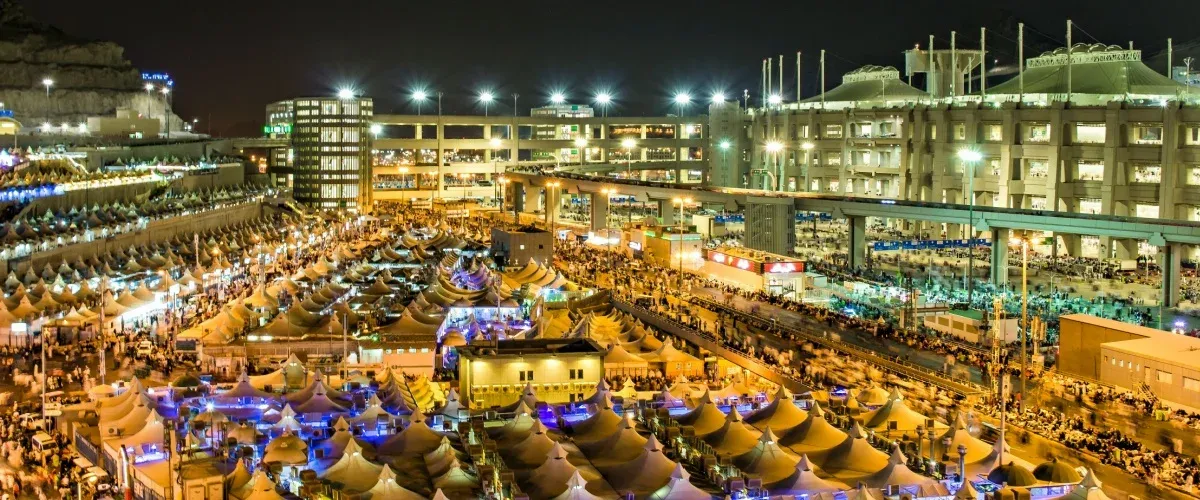
As the sun dips below the horizon and the call to prayer echoes across the skyline, cities throughout Saudi Arabia transform. Streets glow under strings of lanterns, the scent of cardamom and grilled meats fills the air and families step out together after iftar. Across the Kingdom, Ramadan night markets come alive, blending spirituality, heritage and celebration into an experience that is uniquely Saudi. From the historic alleys of Jeddah to the bustling boulevards of Riyadh and the serene streets of Madinah, Ramadan night markets in Saudi Arabia are not just seasonal attractions but living cultural traditions.
Top 7 Ramadan Night Markets in Saudi Arabia & Things to Do
1. Al-Balad
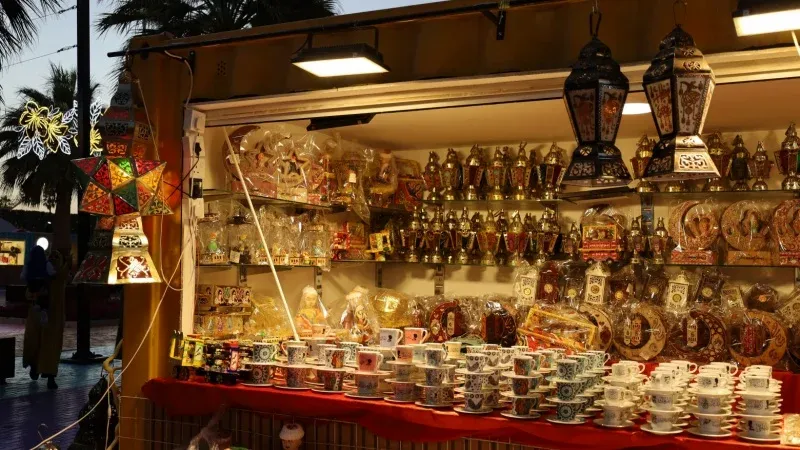
The UNESCO-listed district of Al-Balad during Ramadan feels like stepping back in time amid a festive atmosphere! Here, visitors can spend vibrant cultural evenings while enjoying authentic local flavours. Traditional Hijazi architecture, coral-stone buildings, and intricately carved wooden balconies (rawasheen) frame narrow streets lined with colorful market stalls. Lanterns cast a warm glow over centuries-old pathways, creating a nostalgic ambiance that beautifully reflects Saudi Arabia’s rich coastal heritage.
Things to Do:
- Stroll through the lantern-lit streets of Souq Al-Jamei, Souq Al-Alawi and Souq Qabil at night
- Shop for handmade prayer beads, embroidered abayas, oud perfumes and antiques
- Watch street performers recite traditional Ramadan chants
- Admire the beautifully preserved rawasheen of Bait Ba'eshen
- Unwind at Diab Coffee, one of the oldest cafés in Al-Balad
- Sample freshly baked traditional bread from a historic neighborhood bakery
2. Souq Al Zal (Riyadh)
.webp)
Located in the heart of Riyadh, Souq Al Zal is one of the city’s oldest traditional markets and comes alive at night during Ramadan. Known for its timeless charm, the souq offers a mix of historical architecture, colorful stalls, and the aromatic scent of oud and spices. Lanterns illuminate the narrow lanes, creating a vibrant evening atmosphere where locals and tourists alike gather to shop, eat, and socialize.
Things to Do:
- Browse antique furniture, traditional carpets, and gold jewelry
- Sample local street foods and Arabic sweets
- Enjoy the lively ambiance with music and cultural performances
- Purchase traditional incense (bukhoor) and perfumes
- Walk through the historic sections to admire traditional Najdi architecture
3. AlUla Old Town
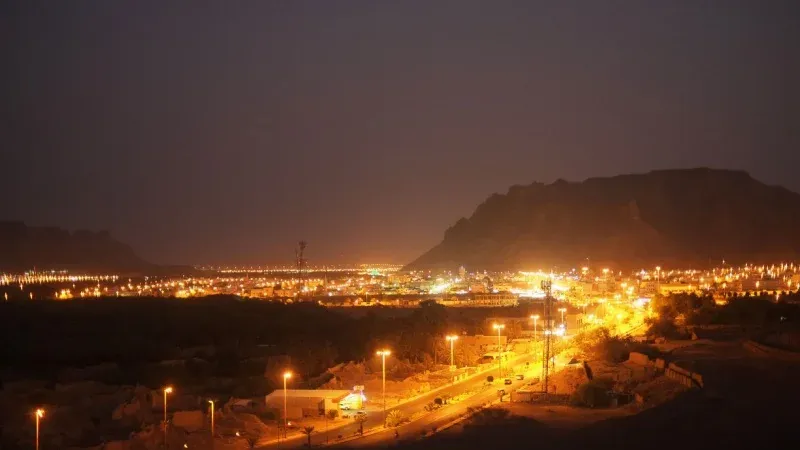
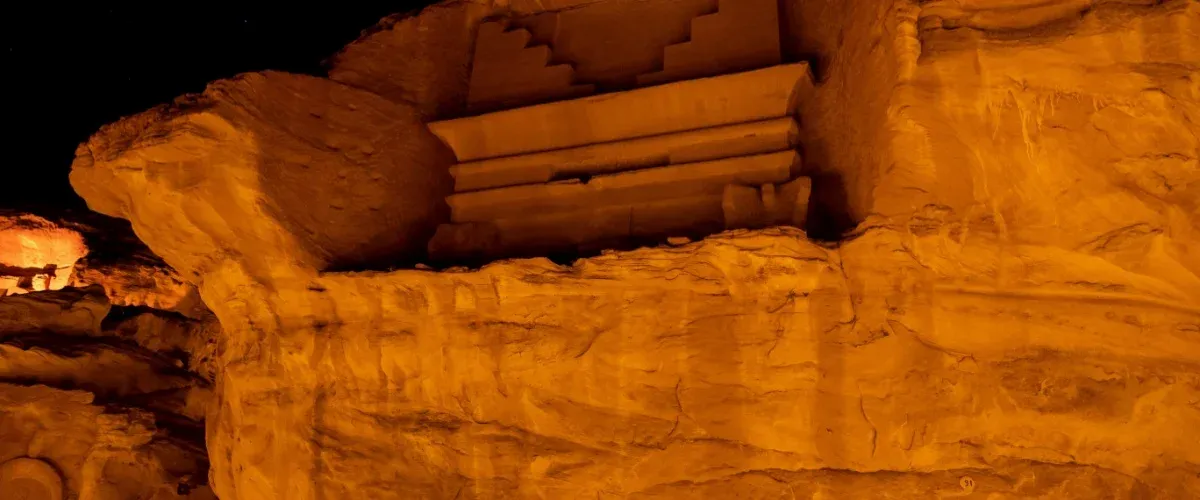
AlUla Old Town offers a unique Ramadan night market experience amidst sandstone cliffs and ancient mudbrick buildings. The town’s narrow streets are decorated with lanterns, creating a magical glow at night. Local vendors sell handmade crafts, spices, and traditional garments, while the backdrop of AlUla’s stunning landscapes adds a serene and timeless quality to the festivities.
Things to Do:
- Explore traditional mudbrick houses and narrow alleyways
- Shop for handicrafts, pottery, and locally woven textiles
- Taste regional dishes and seasonal Ramadan treats
- Attend storytelling or music performances under the night sky
- Capture photos of the illuminated historic streets against desert cliffs
4. Boulevard City, Riyadh
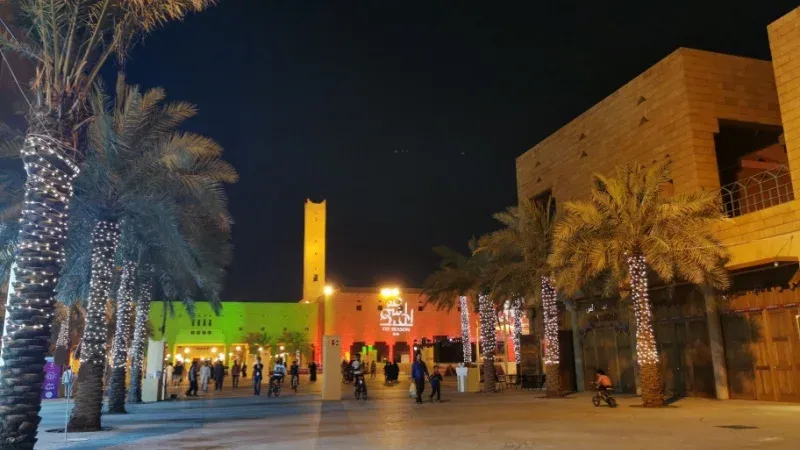
Boulevard City transforms into a modern Ramadan festival hub after sundown. This open-air entertainment complex offers a mix of shopping, dining, and cultural events, making it ideal for families seeking both tradition and modern fun. Stalls, themed tents, and light displays create a lively evening atmosphere that celebrates the spirit of Ramadan while offering contemporary experiences.
Things to Do:
- Browse artisanal crafts and designer Ramadan-themed products
- Enjoy gourmet food trucks and traditional Saudi cuisine
- Participate in interactive workshops or cultural exhibitions
- Attend live music, oud performances, or storytelling sessions
- Take a leisurely walk along the festively decorated streets
5. Souq Al Thumairi, Riyadh
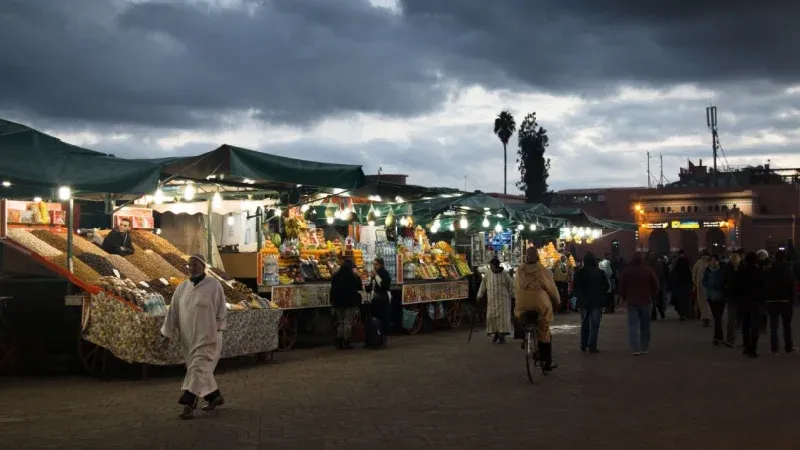
Nestled in the historical center of Riyadh, Souq Al Thumairi comes alive at night during Ramadan with an authentic, old-world charm. The market features narrow alleys lined with traditional stalls selling spices, textiles, and handcrafted souvenirs. The aroma of grilled kebabs, fresh dates, and Arabic coffee fills the air, creating an immersive cultural experience for visitors.
Things to Do:
- Shop for traditional clothing, jewelry, and decorative items
- Sample local street foods and sweet treats
- Explore the historic architecture and traditional Najdi style buildings
- Enjoy casual social gatherings in open seating areas
- Observe traditional performances and local crafts demonstrations
6. Ramadan Souq at U-Walk, Riyadh
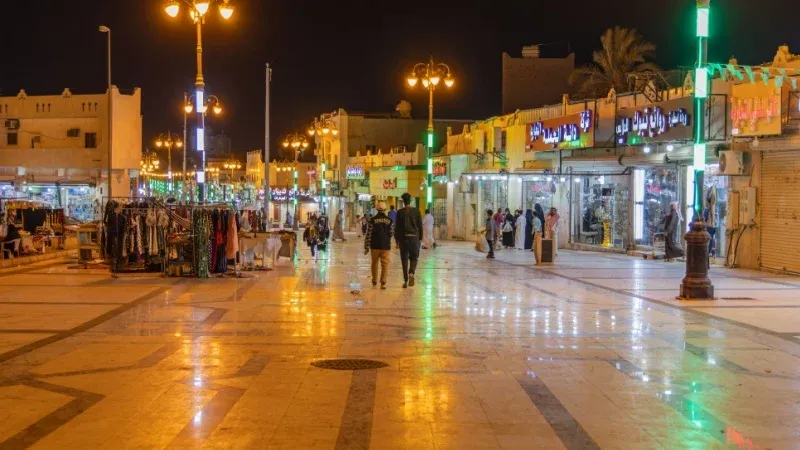
The Ramadan Souq at U-Walk in Riyadh combines the convenience of modern retail with the festive charm of Ramadan nights. Stalls are decorated with lanterns and crescent motifs, offering shoppers a curated selection of local crafts, traditional foods, and family-friendly entertainment. The atmosphere is lively yet comfortable, making it perfect for evening outings with friends and family.
Things to Do:
- Purchase handcrafted gifts, home décor, and festive accessories
- Sample an array of traditional and contemporary snacks
- Take part in cultural activities and workshops
- Enjoy family-friendly entertainment, including games and performances
- Capture the colorful displays and illuminated décor for memories
7. Quba Market Place
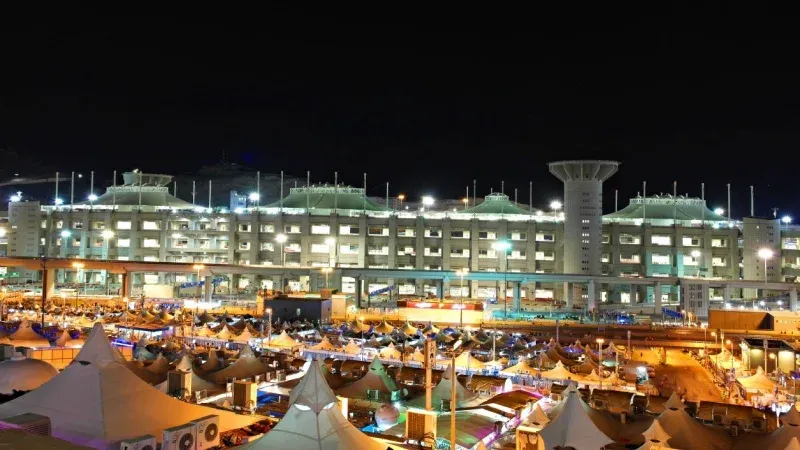
Ramadan nights in Madinah hold a uniquely spiritual charm. Located near Quba Mosque, the night market at Quba Market Place comes alive with a warm and welcoming atmosphere that blends spirituality with community spirit. After evening prayers, families and visitors stroll through neatly arranged stalls where vendors sell prayer mats, Qur’ans, modest fashion, and simple street foods. The atmosphere is calm and reverent, yet warm and welcoming. Dates of various varieties, Ajwa being the most sought after, are prominently displayed in beautifully arranged stalls.
Things to do:
- Purchase prayer mats, dates, perfumes and handcrafted souvenirs
- Share meals and exchange greetings of Ramadan Mubarak
- Admire the soft lighting and crescent-themed decorations
What to Expect at Ramadan Night Markets in Saudi Arabia
Traditional Cuisine and Coffee Culture
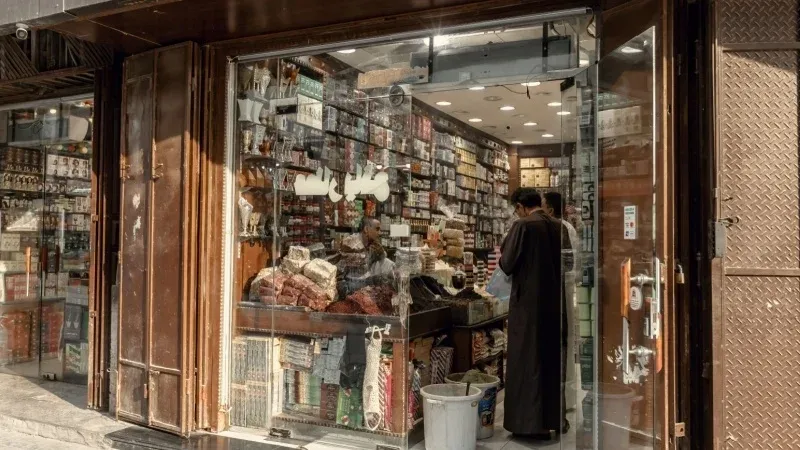
No Ramadan night market is complete without food and in Saudi Arabia, the culinary offerings are a highlight. Visitors can expect a mouthwatering spread of local specialties like Kabsa, Harees, Sambousek, Jareesh, Qatayef, Basbousa and Luqaimat. The aroma of oud incense mingles with sizzling grills, creating a sensory experience that defines Ramadan evenings. Arabic coffee (gahwa) is central to Saudi hospitality. In Ramadan markets, it is served generously alongside dates. Small gatherings often form around coffee stands, where conversations flow long into the night.
Handicrafts and Heritage
Ramadan markets are not just about food, they are also platforms for artisans and small businesses. Local craftsmen display handwoven baskets, palm-leaf products, traditional incense burners (mabkhara), calligraphy art featuring Quranic verses and embroidered prayer garments. These markets offer a valuable opportunity for Saudi entrepreneurs, particularly women, to showcase homegrown businesses. Many stalls are run by families who prepare goods months in advance. In recent years, government initiatives supporting small and medium enterprises have boosted the quality and variety of products available during Ramadan.
Community and Charity
One of the most powerful aspects of Ramadan night markets is their spirit of giving. Charity booths are common, collecting donations for food baskets and community initiatives. Some vendors dedicate a portion of profits to charitable causes. Volunteers distribute free water and dates to passersby. In many neighborhoods, communal iftar tents are set up for workers and travelers who may not have family nearby. This sense of collective care transforms the markets into spaces of compassion as much as commerce.
Entertainment and Family Activities
Modern Ramadan festivals often include children’s storytelling corners, traditional folklore performances, henna artists, Islamic quiz competitions and cultural workshops. Families often make a full evening of their visit, praying together, dining together, and shopping together. Unlike many global night markets driven primarily by tourism, Saudi Ramadan markets are deeply rooted in family values and faith-centered gatherings.
Tips for Visiting Ramadan Night Markets in Saudi Arabia
- Arrive after Isha prayers, when markets are liveliest
- Dress modestly and respect local customs
- Carry cash, as some smaller vendors may not accept cards
- Many stalls pause during prayer times
Ramadan night markets in Saudi Arabia represent the heartbeat of the holy month. They celebrate tradition without losing relevance, encourage entrepreneurship while strengthening charity, and foster togetherness in a fast-paced modern world. From the historic charm of Jeddah’s Al-Balad to the dynamic festivals of Riyadh and the spiritual calm of Madinah, these markets offer a glimpse into Saudi Arabia’s soul during its most sacred time of year. Book one of our Saudi Arabia tour packages and get ready to experience of warmth, generosity and shared faith under a starlit Arabian sky.
FAQs - Ramadan Night Markets in Saudi Arabia
Most Ramadan night markets in Saudi Arabia open after Iftar (sunset) and stay lively until late at night, often around 10 PM to midnight.
Yes, non-Muslims are welcome to explore the markets, but visitors should dress modestly and respect local customs.
You’ll find traditional dishes like kabsa, harees, sambousek, jareesh, and sweets like luqaimat and qatayef. Arabic coffee and fresh dates are also staples.
Yes, many markets feature live music, storytelling, cultural performances, henna art, and workshops for children and families.
Markets offer a wide range of goods, from affordable street food and handicrafts to higher-end souvenirs and artisanal products, so budgets can range from 10 SAR for snacks to hundreds for antiques or jewelry.
Yes, Ramadan night markets are generally safe and family-friendly, with well-lit streets, security, and crowd management in most major cities.
Yes, you can purchase handmade prayer beads, embroidered garments, oud perfumes, pottery, and local artwork at most markets.
Accessibility varies by market. Modern venues like Boulevard World and U-Walk are more wheelchair-friendly, while historic markets like Souq Al Zal or Al-Balad may have narrow alleys and uneven paths.