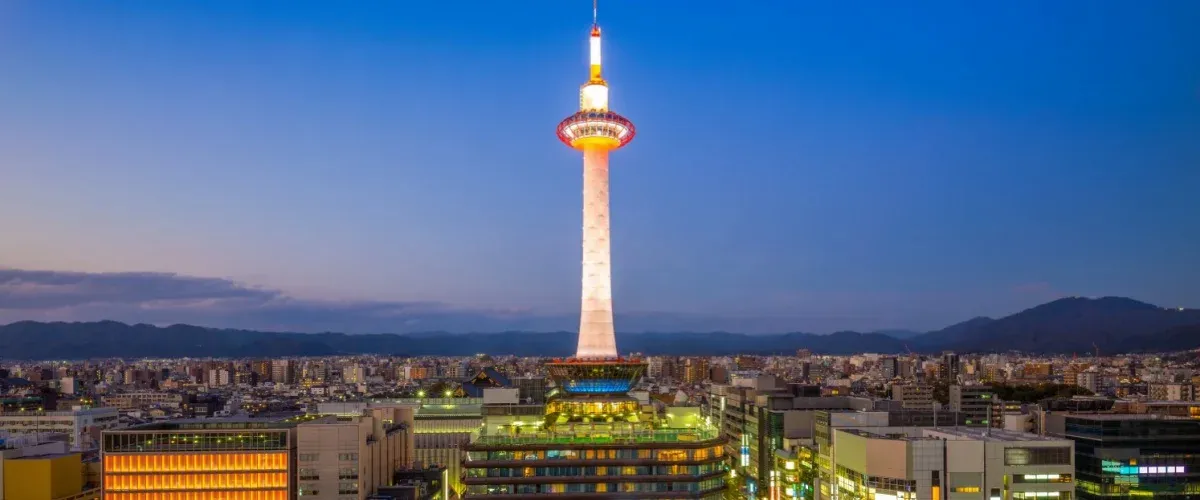
Often described as the soul of Japan, Kyoto is one of the most incredible destinations to visit. Once the imperial capital for over a thousand years, the city preserves Japan’s rich cultural heritage through ancient temples, sacred shrines, historic streets, and beautiful gardens. Unlike modern cities known for skyscrapers and technology, Kyoto offers a peaceful atmosphere filled with traditional teahouses, stone pathways, and centuries-old customs. Whether you enjoy history, architecture, spirituality, or nature, Kyoto promises a memorable experience. From the golden beauty of Kinkaku-ji to the serene Arashiyama Bamboo Grove and the lively Gion district, this guide explores the most remarkable places to visit in Kyoto that showcase the city’s timeless charm. Read on...
Most Beautiful Places to Include in Your Kyoto Itinerary
1. Kinkaku-ji (The Golden Pavilion)
.webp)
One of Kyoto’s most iconic landmarks is Kinkaku-ji, also known as the Golden Pavilion. Officially named Rokuon-ji, this Zen Buddhist temple is famous for its top two floors covered entirely in gold leaf. The structure stands beside a serene pond that mirrors the shining pavilion, creating a breathtaking scene. Originally built in the 14th century as a retirement villa for the shogun Ashikaga Yoshimitsu, the building was later converted into a temple after his death. Over the centuries, it has been rebuilt multiple times due to fires, with the current structure dating back to 1955. Each season offers a unique perspective, from cherry blossoms in spring and lush greenery in summer to vibrant foliage in autumn and snow-covered elegance in winter.
Things to Do:
- Stroll through beautifully designed gardens with traditional Japanese landscaping
- Stop by the historic Sekka-tei Tea House
- Visit the Fudo Hall, dedicated to a guardian deity, and offer your prayers
2. Fushimi Inari Taisha
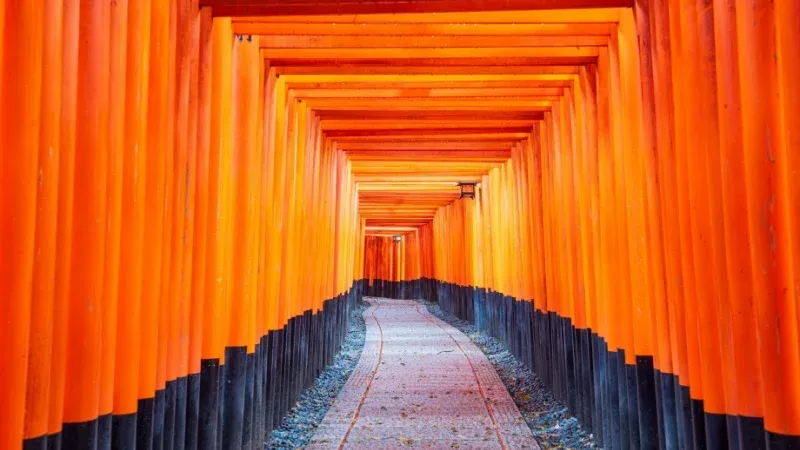
Few places in Japan are as visually striking as Fushimi Inari Taisha. This Shinto shrine is famous for its thousands of vermilion torii gates that form winding tunnels up the sacred Mount Inari. Dedicated to Inari, the Shinto deity of rice, prosperity, and business success, the shrine dates back to the 8th century. Each torii gate is donated by individuals or companies hoping for good fortune, and their names are inscribed on the pillars. Walking through the endless paths of bright red gates is a magical experience. The trail extends several kilometers up the mountain and takes around two to three hours to complete fully.
Insider Tips:
- Encounter small shrines, fox statues (messengers of Inari) and scenic viewpoints overlooking Kyoto
- Early morning or late evening visits offer the most peaceful experience
Suggested Read: Places to Visit in Japan for Culture, Nature and Adventure
3. Arashiyama Bamboo Grove
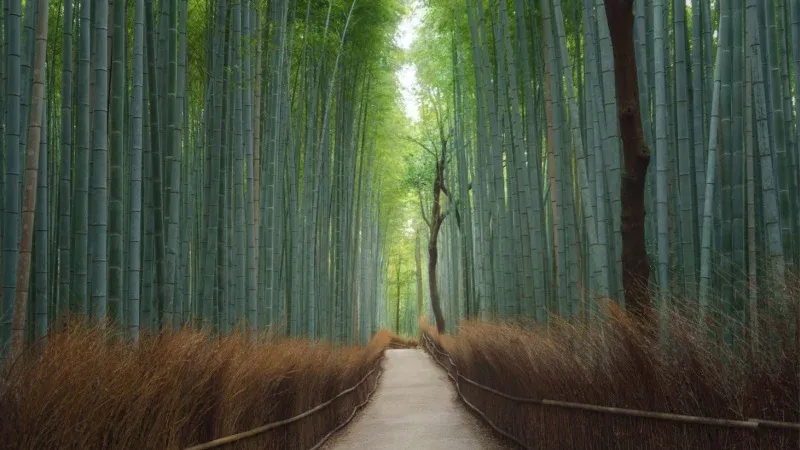
Located in the western outskirts of Kyoto, the Arashiyama Bamboo Grove is one of the most photographed natural sites in the country. Walking through towering bamboo stalks that sway gently in the wind feels almost surreal. The sound of rustling bamboo creates a calming atmosphere that many visitors describe as deeply meditative. Sunlight filtering through the tall green stems produces an enchanting play of light and shadow. The grove is part of the larger Arashiyama district, which includes several other attractions such as the historic Tenryu-ji Temple and the scenic Togetsukyo Bridge.
A visit to Arashiyama is not just about the bamboo forest. The area also offers traditional tea houses, riverboat rides along the Katsura River, and charming mountain scenery that changes dramatically with the seasons.
4. Kiyomizu-dera Temple
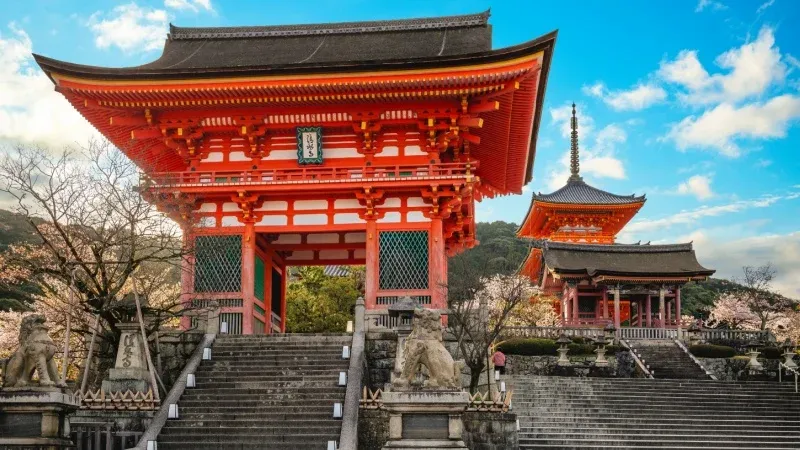
Perched on a hillside in Kyoto, Kiyomizu-dera is one of Japan’s most famous temples. Its name means “Pure Water Temple,” inspired by the Otowa Waterfall flowing beneath the main hall. The temple features a large wooden stage that extends from the hillside, offering beautiful panoramic views of Kyoto. Remarkably, the structure was built using traditional Japanese techniques without nails. Visitors often drink from the three streams of the waterfall, believed to bring blessings of longevity, success, or love. The path leading to the temple is lined with traditional shops selling sweets, souvenirs, and crafts, making the visit even more memorable, especially during cherry blossom and autumn seasons.
Suggested Read: Incredible Things to Do in Japan on Your Next Holiday
5. Gion District
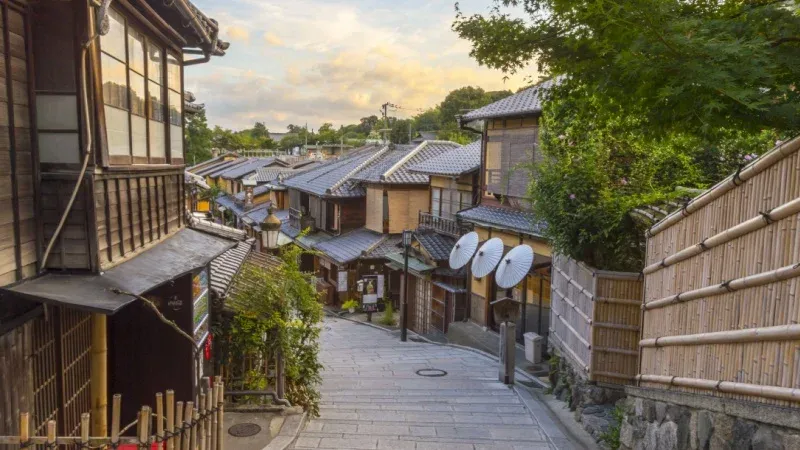
To truly experience Kyoto’s historic atmosphere, a visit to the Gion district is essential. Gion is Kyoto’s most famous geisha district, known for its preserved wooden machiya houses, lantern-lit streets, and traditional tea houses. The district also hosts traditional cultural performances, including dance, music, and tea ceremonies. The annual Gion Matsuri festival, held every July, is one of Japan’s most famous celebrations. Gion perfectly captures Kyoto’s timeless elegance and refined cultural traditions.
Things to Do:
- Walk through Hanami-koji Street in the evening
- Take a glimpse of geiko (Kyoto’s term for geisha) or maiko (apprentice geisha)
6. Nishiki Market
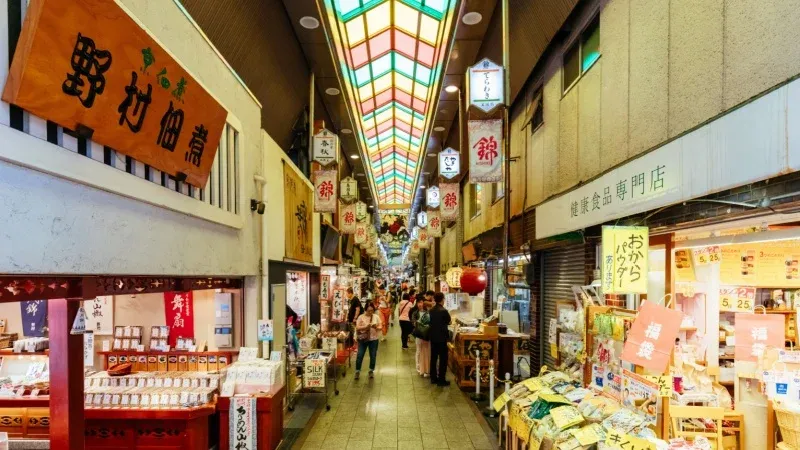
For food lovers, Nishiki Market is a must-visit destination. Often called “Kyoto’s Kitchen,” this lively marketplace stretches for several blocks and features over a hundred stalls selling local delicacies. The market has existed for more than 400 years and remains a vital part of Kyoto’s culinary culture. Walking through its narrow arcade is an exciting sensory experience filled with aromas, colors, and flavors.
Visitors can sample a variety of traditional Kyoto foods such as:
- Fresh sushi and sashimi
- Grilled seafood skewers
- Matcha-flavored sweets
- Pickled vegetables
- Japanese omelets (tamagoyaki)
Suggested Read: Best Spots to Explore for Unforgettable Shopping in Japan
7. Nijo Castle
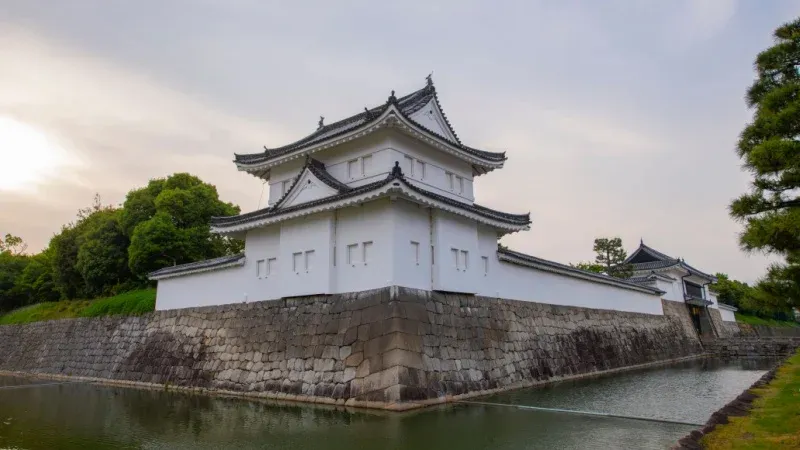
Nijo Castle offers a fascinating glimpse into Japan’s feudal history. Built in 1603 by Tokugawa Ieyasu, the founder of the Tokugawa shogunate, the castle served as the Kyoto residence of the shoguns. The palace is famous for its “nightingale floors,” which chirp when walked upon. Inside, visitors can admire beautifully decorated rooms featuring intricate wood carvings, sliding doors painted with tigers and landscapes, and elegant tatami flooring. The castle grounds are surrounded by stone walls, moats, and expansive gardens that showcase traditional Japanese landscape design. Nijo Castle is also a UNESCO World Heritage Site and a powerful reminder of Japan’s samurai era.
8. Philosopher’s Path
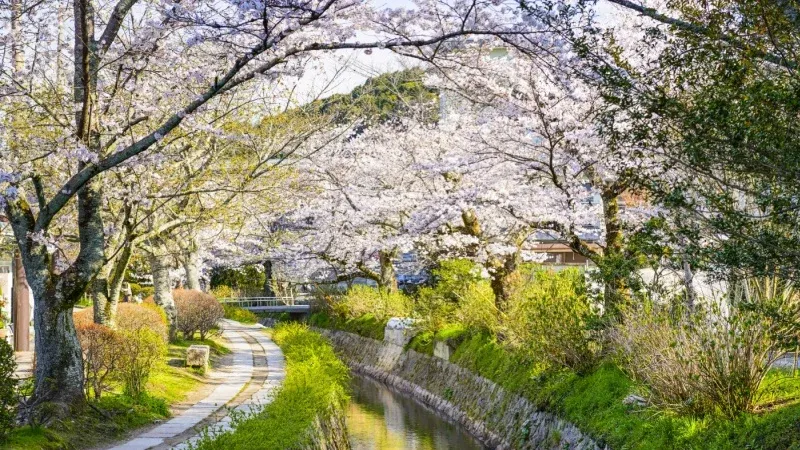
The Philosopher’s Path is one of Kyoto’s most peaceful walking routes. This stone pathway follows a canal lined with hundreds of cherry trees and stretches about two kilometers between Ginkaku-ji Temple and Nanzen-ji Temple. The path gets its name from the Japanese philosopher Nishida Kitaro, who reportedly used it for daily meditation walks. During the cherry blossom season, the route transforms into a tunnel of pink petals, attracting visitors from around the world. However, even outside spring, the walk remains tranquil and scenic. Along the way, travelers will find small cafes, art galleries, and temples that make the journey feel like a leisurely cultural exploration.
Suggested Read: Places to Visit in South Korea That Are Truly Magical
9. Ginkaku-ji (The Silver Pavilion)
.webp)
Although it is called the Silver Pavilion, Ginkaku-ji was never actually covered in silver. Built in the late 15th century by shogun Ashikaga Yoshimasa, the temple was intended to rival the Golden Pavilion. Instead of glittering metal, Ginkaku-ji impresses visitors with understated beauty and refined simplicity. The temple grounds feature meticulously maintained gardens, including a unique sand garden shaped like a cone known as the “Moon Viewing Platform.” The moss garden surrounding the pavilion is particularly stunning, creating a calm and contemplative atmosphere. Ginkaku-ji represents the aesthetic principles of wabi-sabi, which emphasize simplicity, imperfection, and natural beauty.
10. Kyoto Imperial Palace
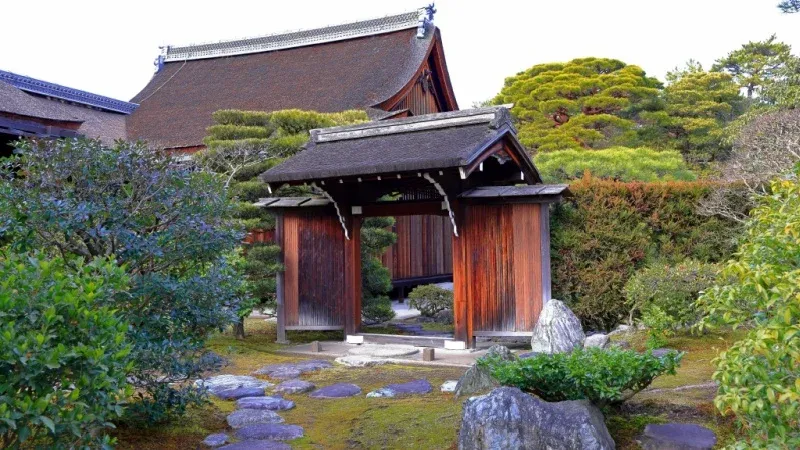
Located within the Kyoto Imperial Park, the Kyoto Imperial Palace served as the residence of Japan’s emperors until the capital moved to Tokyo in 1869. The palace complex features elegant wooden halls, ceremonial gates, and large courtyards surrounded by gravel pathways and gardens. Although the interiors are not fully open to the public, visitors can explore the expansive grounds and admire the architecture. The surrounding park is also a favorite spot for locals to relax, jog, or enjoy seasonal blossoms.
Suggested Read: Most Incredible Places to Visit in Singapore This Year
Kyoto beautifully captures the timeless spirit of Japan with its temples, shrines, gardens, and historic streets. From the golden beauty of Kinkaku-ji to the magical torii gates of Fushimi Inari and the peaceful Arashiyama Bamboo Grove, every destination offers something unforgettable. Exploring these places to visit in Kyoto allows travelers to experience the country’s culture, traditions, and natural beauty in one city. Whether you love history, food or scenic landscapes, Kyoto has it all. Many travelers include Kyoto as a highlight of their Japan tour packages, making it one of the most rewarding destinations for anyone planning a memorable trip to Japan.
FAQs - Places to Visit in Kyoto
Some of the best places to visit in Kyoto include Kinkaku-ji (Golden Pavilion), Fushimi Inari Taisha, Arashiyama Bamboo Grove, Kiyomizu-dera Temple, and the historic Gion district.
Most travelers spend 2–3 days in Kyoto to explore the major temples, shrines, markets, and cultural districts.
The best time to visit Kyoto is spring (March–May) for cherry blossoms and autumn (October–November) for colorful fall foliage.
Yes, Kyoto is one of the most culturally rich cities in Japan and is included in most Japan tour packages because of its historic temples and traditional atmosphere.
Kyoto has an efficient bus, subway, and train system, making it easy for tourists to travel between major attractions.
Yes, visitors may see geiko (geisha) and maiko (apprentice geisha) in the historic Gion district, especially in the evening.
Kyoto can suit different budgets. Travelers can find budget hostels, mid-range hotels, and luxury ryokan, making it accessible for most visitors.
Kyoto is known for kaiseki cuisine, matcha desserts, tofu dishes, and traditional sweets, many of which can be found at Nishiki Market.