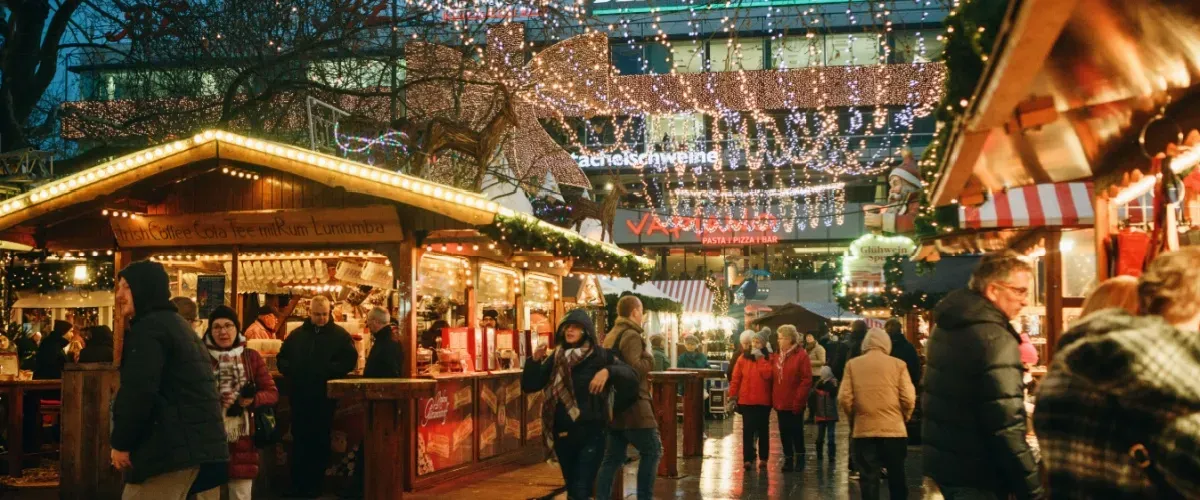
Germany is a country where medieval towns meet modern innovation, fairy-tale castles rise above forested hills, and vibrant cities pulse with art, music, and culinary delights. From the dynamic capital to scenic alpine landscapes, every corner of Germany offers a unique experience. Whether you’re a history lover, nature enthusiast, foodie, or culture seeker, Germany promises unforgettable adventures. Here’s a comprehensive guide to some of the best places to visit in Germany for a fascinating holiday experience that you will cherish through your life!
Top Places in Germany That Need to Be On Your Bucket List
1. Berlin
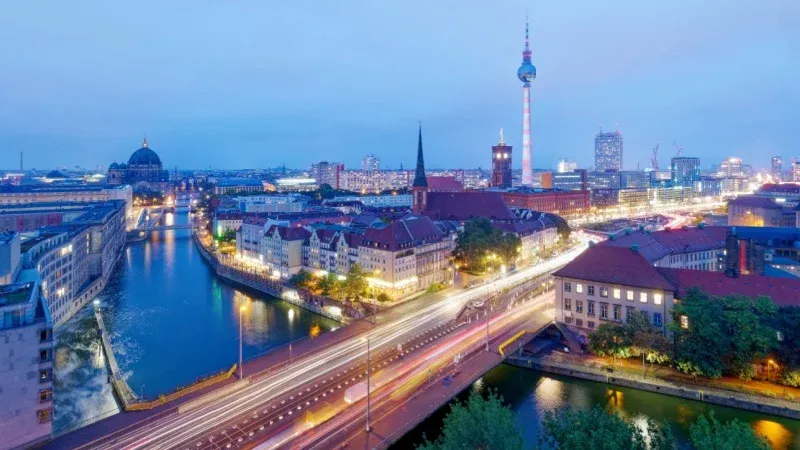
Berlin is a city that tells powerful stories. As Germany’s capital, it blends a complex past with a cutting-edge present. The iconic Brandenburg Gate stands as a symbol of unity, while remnants of the Berlin Wall serve as poignant reminders of division and resilience. Museum Island, a UNESCO World Heritage Site, houses world-class institutions like the Pergamon Museum. Beyond history, Berlin thrives on creativity. Trendy neighborhoods such as Kreuzberg and Prenzlauer Berg are filled with street art, independent cafés, and nightlife venues. Visitors can explore lush parks like Tiergarten, enjoy boat rides along the River Spree, and indulge in diverse international cuisine. Berlin’s energy is raw, artistic, and constantly evolving.
2. Munich
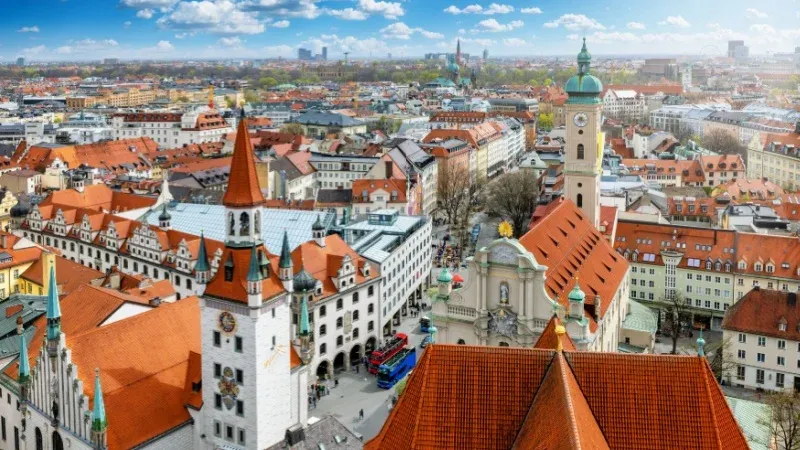
Located in southern Germany, Munich combines traditional Bavarian culture with modern sophistication. Marienplatz, the city’s central square, is home to the New Town Hall and its famous Glockenspiel. The city is also known worldwide for Oktoberfest, the largest beer festival on the planet. Munich’s beer gardens, including the renowned Hofbräuhaus, offer authentic Bavarian food and hospitality. Art lovers can explore the Alte Pinakothek, while nature enthusiasts can relax in the vast English Garden. With the Bavarian Alps just a short drive away, Munich is also an excellent base for scenic mountain excursions.
Suggested Read: From Riviera to Brittany: Top Beaches in France to Explore This year
3. Hamburg
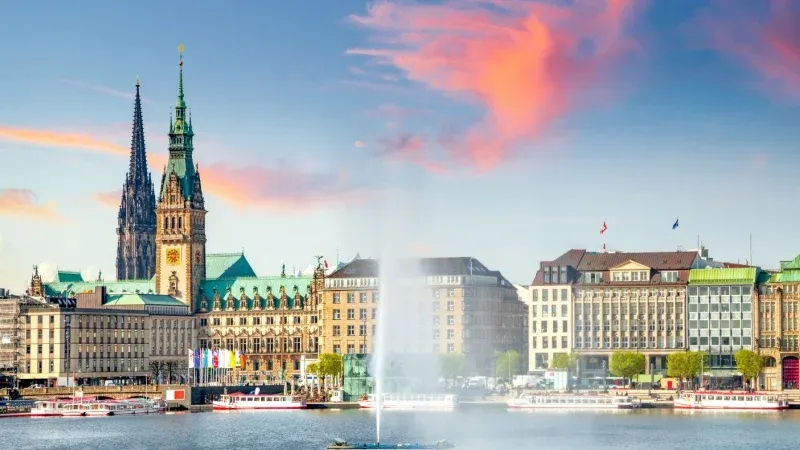
Hamburg, Germany’s second-largest city, boasts one of Europe’s busiest ports. Its waterfront district, Speicherstadt, features red-brick warehouses and canals, creating a striking architectural landscape. The futuristic Elbphilharmonie concert hall has become a modern symbol of the city. Visitors can take harbor boat tours, stroll along the Alster Lakes, or explore the vibrant St. Pauli district. Hamburg offers a refreshing blend of maritime tradition and contemporary flair, making it one of Germany’s most dynamic destinations.
4. Cologne
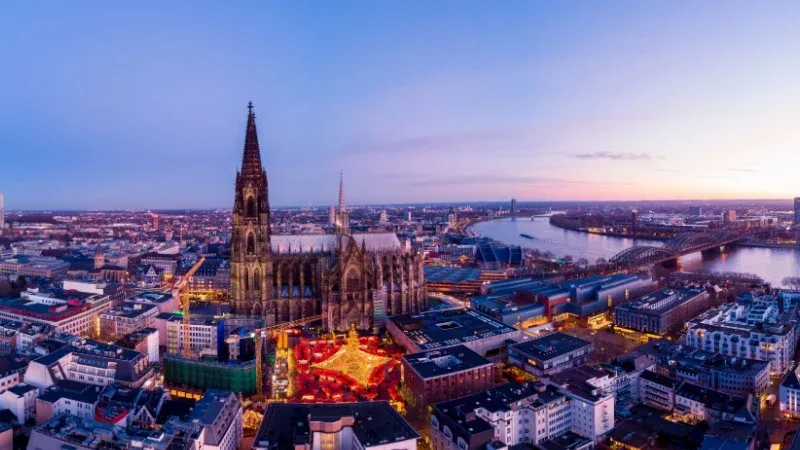
Cologne is best known for its magnificent Cologne Cathedral, a UNESCO-listed Gothic masterpiece that dominates the skyline. The cathedral’s twin spires are among the tallest in Europe and attract millions of visitors each year. Situated along the Rhine River, Cologne offers scenic river walks, lively beer halls serving Kölsch, and a welcoming atmosphere. The city also hosts one of Europe’s largest Carnival celebrations, transforming the streets into a colorful spectacle of costumes and music.
Suggested Read: Experiences That Make Winter in Paris Truly Magical
5. Heidelberg
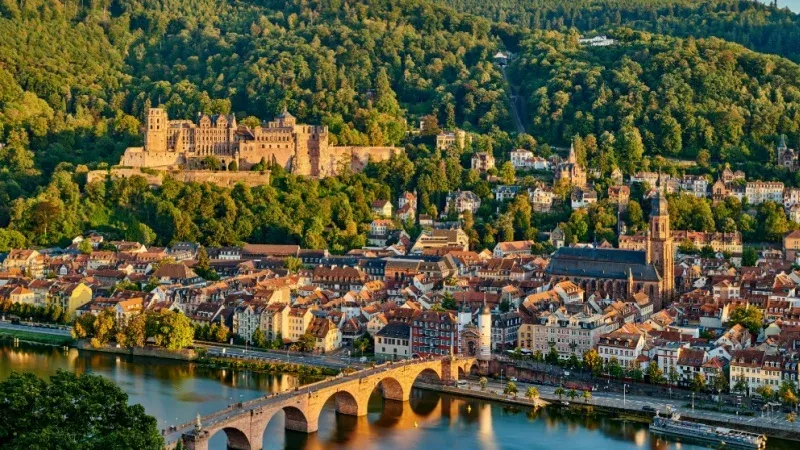
Heidelberg enchants visitors with its baroque Old Town and hilltop castle ruins overlooking the Neckar River. Heidelberg Castle, partially destroyed yet beautifully preserved, provides panoramic views of the city and surrounding forests. Home to Germany’s oldest university, Heidelberg has a youthful energy mixed with historic charm. The Philosopher’s Walk offers scenic views, while cozy cafés and bookstores create a romantic, intellectual atmosphere.
6. Neuschwanstein Castle
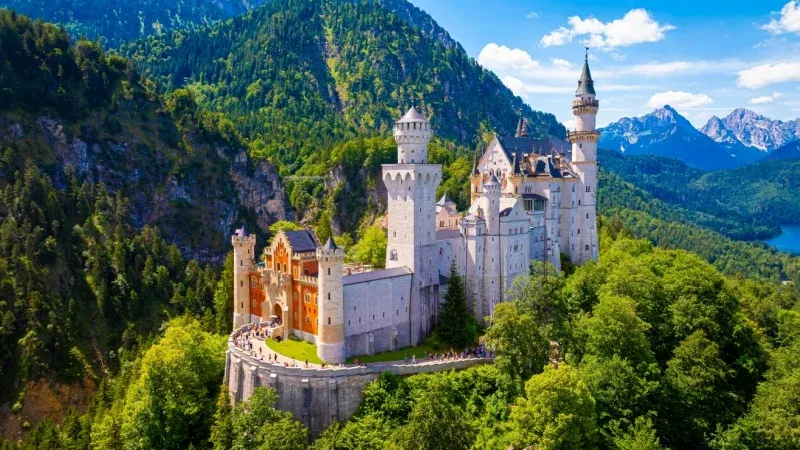
Perched in the Bavarian Alps near Füssen, Neuschwanstein Castle looks like it belongs in a storybook. Commissioned by King Ludwig II in the 19th century, the castle inspired Disney’s Sleeping Beauty Castle. Surrounded by alpine forests and lakes, Neuschwanstein is one of Germany’s most photographed landmarks. Visitors can tour its lavish interiors and enjoy breathtaking views from the Marienbrücke bridge nearby.
Suggested Read: Top Hotspots for an Incredible Shopping in Europe
7. Frankfurt
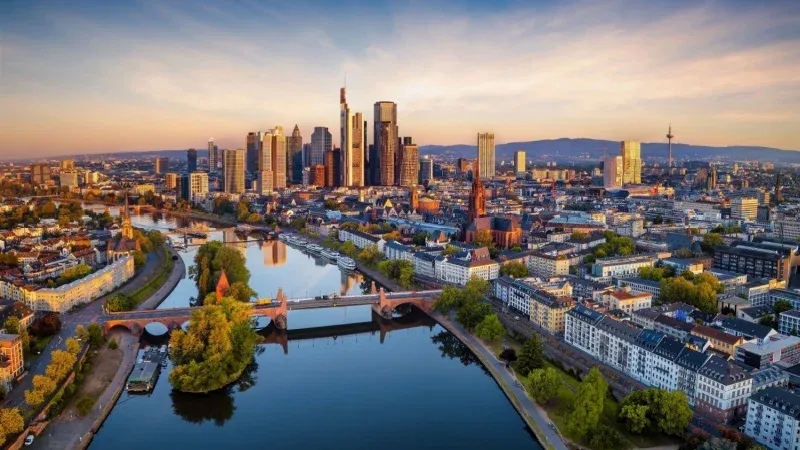
Frankfurt is Germany’s financial capital and home to the European Central Bank. Its skyline of modern skyscrapers contrasts sharply with the reconstructed Römerberg square in the Old Town. The city offers excellent museums along the Museumsufer, including the Städel Museum. Frankfurt also serves as a major international gateway, making it a convenient starting point for exploring Germany.
8. Dresden
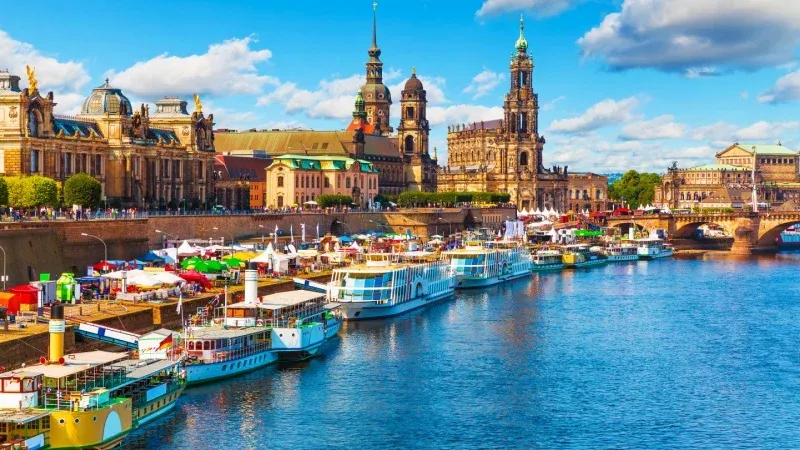
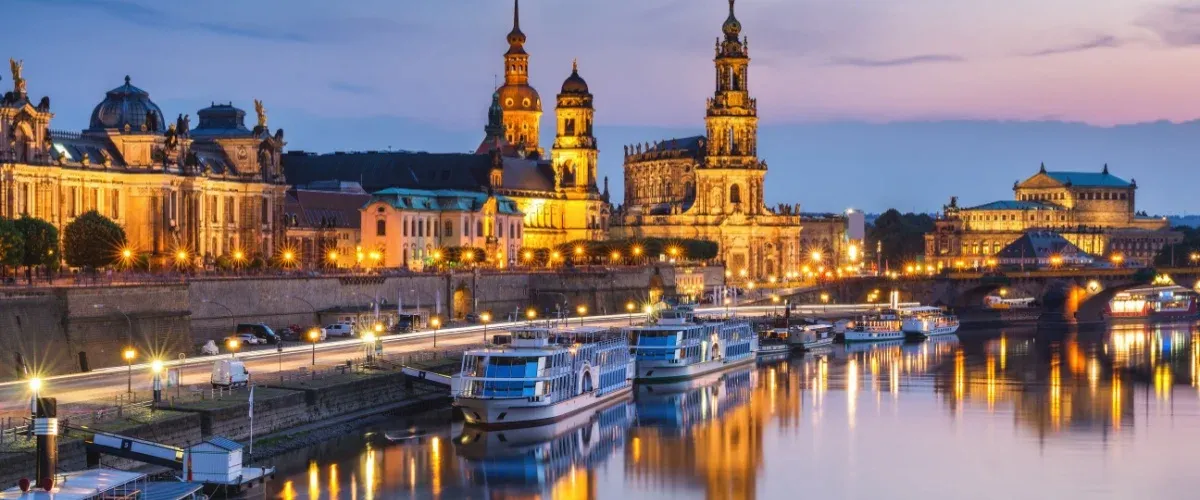
Dresden, often called the “Florence on the Elbe,” is renowned for its stunning baroque architecture. The Frauenkirche, meticulously reconstructed after World War II, symbolizes resilience and renewal. The Zwinger Palace and Semper Opera House showcase the city’s artistic heritage. With scenic riverbanks and nearby Saxon Switzerland National Park, Dresden blends culture with natural beauty.
Suggested Read: Family-Friendly Destinations in Europe for Your Next Holiday
9. Rothenburg ob der Tauber
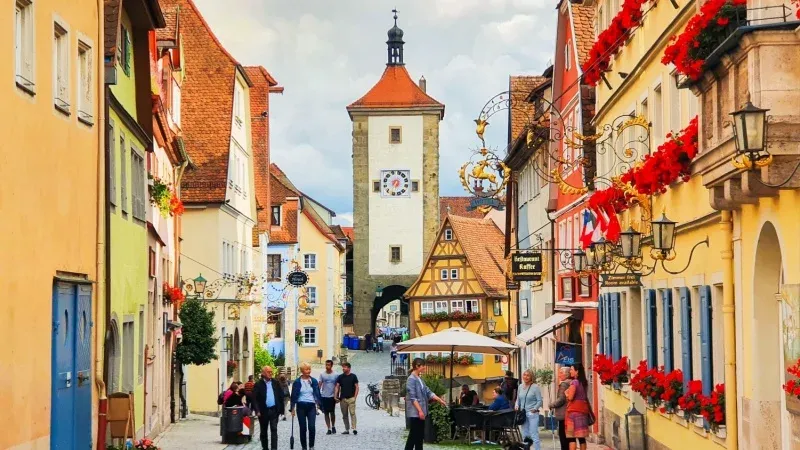
Rothenburg ob der Tauber feels like stepping into the Middle Ages. Its preserved city walls, timber-framed houses, and cobblestone streets create an authentic medieval atmosphere. Located along the Romantic Road, the town is famous for its Christmas market and traditional Schneeballen pastries. It’s a must-visit for travelers seeking old-world charm.
10. Stuttgart
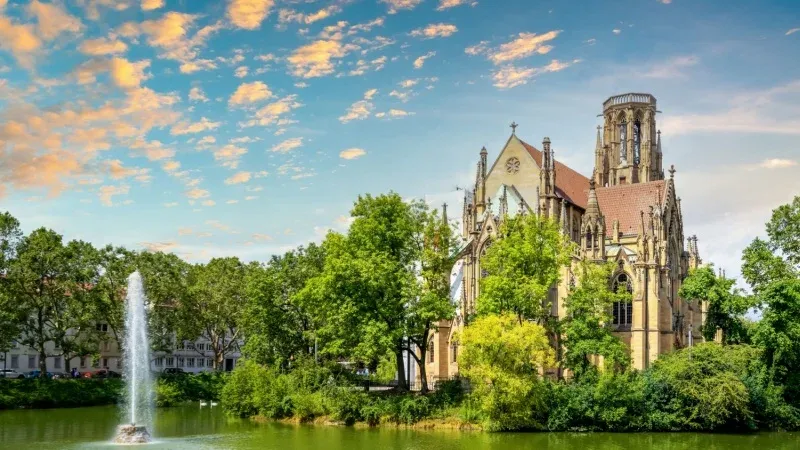
Stuttgart is known as the birthplace of the automobile and home to both Mercedes-Benz and Porsche museums. Beyond cars, the city is surrounded by vineyards and rolling hills. Visitors can enjoy panoramic views from the TV Tower or relax in mineral spas. Stuttgart offers a balance of innovation and relaxation.
Suggested Read: Most Romantic Destinations in Europe to Rekindle Love
11. Black Forest
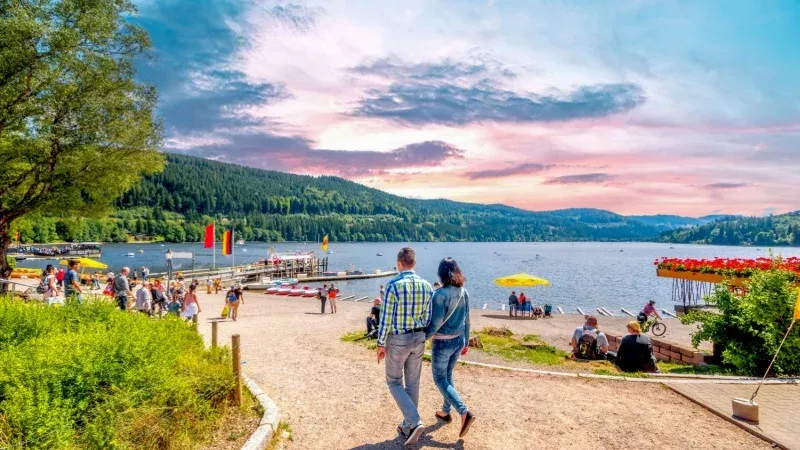
The Black Forest is famous for dense evergreen forests, cuckoo clocks, and the origin of Black Forest cake. Scenic hiking trails, spa towns like Baden-Baden, and picturesque villages make it ideal for nature lovers. Driving along the Black Forest High Road reveals sweeping landscapes and charming stops along the way.
12. Zugspitze
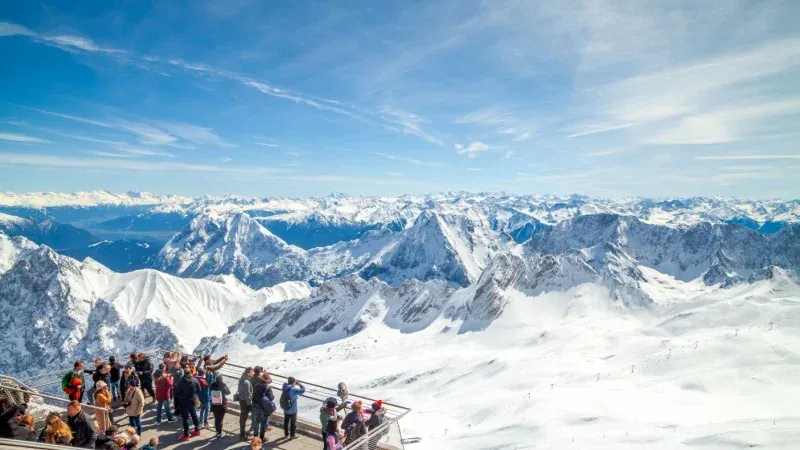
Germany’s highest peak, Zugspitze, sits on the border with Austria. Visitors can take a cable car to the summit for panoramic views of the Alps. In winter, it’s a popular ski destination; in summer, hikers explore alpine trails and glacial landscapes.
Suggested Read: Winter Destinations in Europe That Are Straight Out of a Fairytale
13. Leipzig
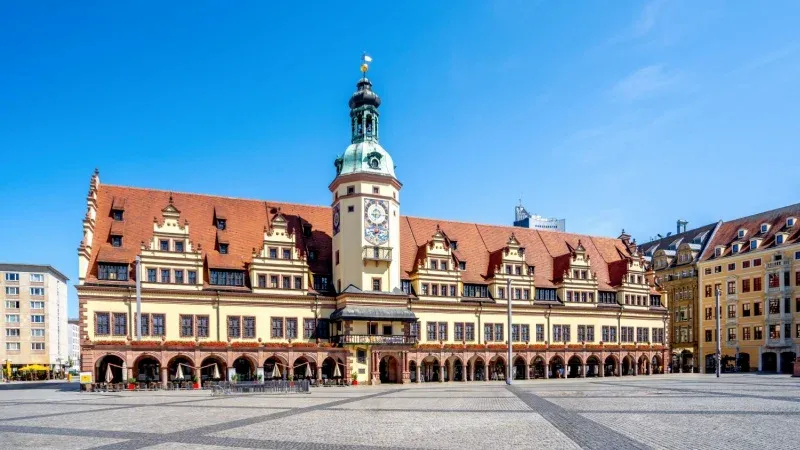
Leipzig is closely associated with composers like Johann Sebastian Bach. Today, it thrives as a creative city with galleries, music venues, and a growing arts scene. Its historic market square and Monument to the Battle of the Nations add historical significance.
14. Nuremberg
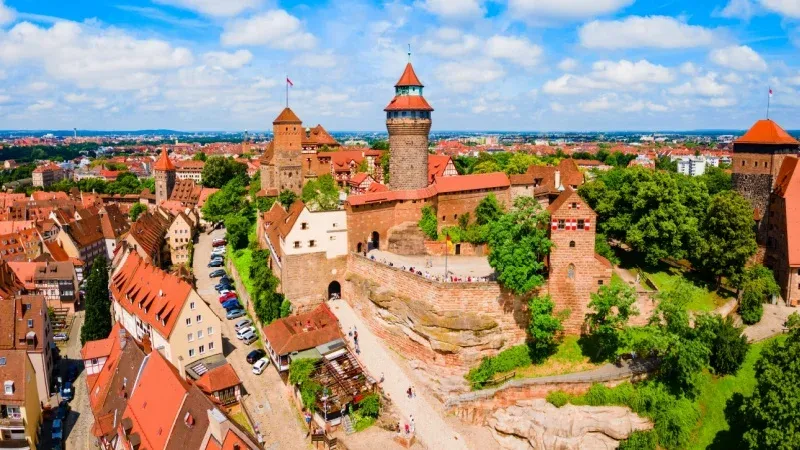
Nuremberg features a beautifully restored Old Town, a hilltop imperial castle, and a rich culinary heritage, including Nürnberger sausages and gingerbread. The city also has important World War II history, including the Documentation Center Nazi Party Rally Grounds.
Suggested Read: Places to Visit in The United Kingdom for a Grand Vacation
15. Rhine Valley
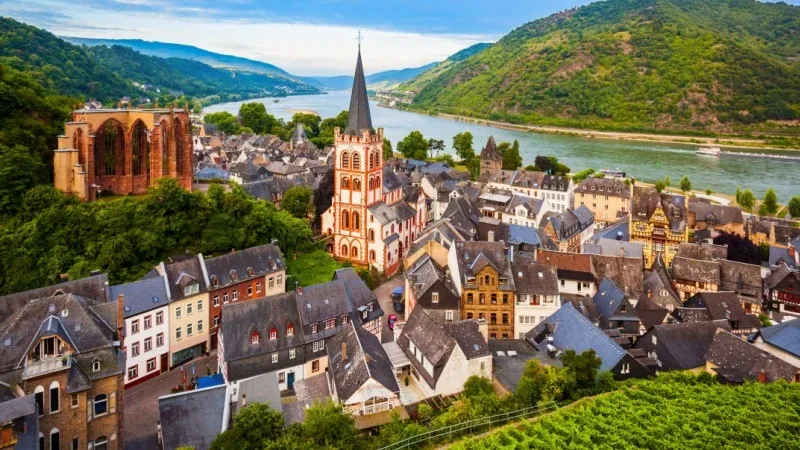
The Rhine Valley is a UNESCO-listed region known for dramatic cliffs, medieval castles, and terraced vineyards. River cruises between towns like Boppard and Rüdesheim offer breathtaking scenery. Wine tastings, charming villages, and legendary Lorelei rock make this region unforgettable.
Germany is a country of contrasts, where ultramodern skylines rise near medieval cathedrals and alpine peaks stand not far from sandy Baltic beaches. Whether you explore vibrant cities, romantic towns, majestic castles or serene natural landscapes, our guide lists top places to visit in Germany that offer experiences that cater to every traveler. From Berlin’s creative pulse to Bavaria’s fairy-tale castles and the Rhine’s timeless beauty, a journey through Germany is rich in culture, history and discovery. No matter where you begin, you’re sure to find destinations that inspire, captivate, and invite you back again.
FAQs - Places to Visit in Germany
The best time to visit Germany is from May to September for pleasant weather and outdoor sightseeing. December is also popular for magical Christmas markets across cities like Berlin, Munich, and Nuremberg.
A 7–10 day trip allows you to explore major cities like Berlin and Munich, along with scenic areas such as the Rhine Valley or Neuschwanstein Castle. For a more relaxed itinerary, 14 days is ideal.
Germany is moderately priced compared to other Western European countries. Accommodation and dining vary by city, with Berlin generally more affordable than Munich or Frankfurt.
Germany is part of the Schengen Area. Travelers from many countries can enter visa-free for up to 90 days, while others need a Schengen visa before arrival.
Top cities include Berlin for history and culture, Munich for Bavarian traditions, Hamburg for its maritime charm, and Cologne for its stunning cathedral.
Yes, Germany is considered one of the safest countries in Europe. Like anywhere, travelers should take normal precautions in crowded areas.
Don’t miss bratwurst, schnitzel, pretzels, Black Forest cake, and regional specialties. Each region offers unique dishes and local beers.
Germany has an excellent public transport network, including high-speed ICE trains, regional trains, buses, and well-connected airports, making it easy to travel between cities.