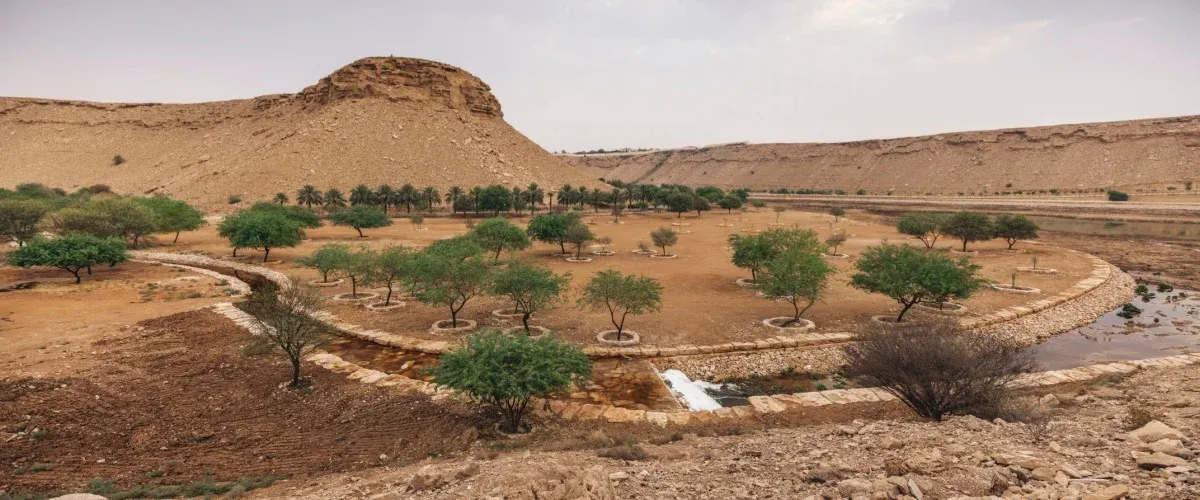
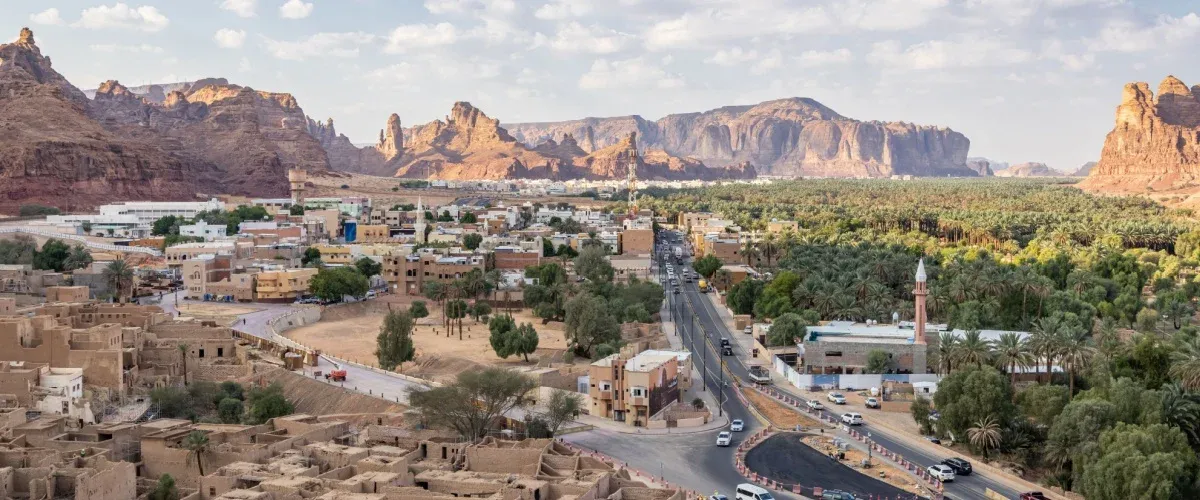
Nestled in the northwestern part of Saudi Arabia, AlUla is one of the most historically rich regions in the Middle East. Surrounded by dramatic sandstone mountains, lush palm groves and ancient ruins, AlUla has been a crossroad of civilizations for thousands of years. Yet, for decades, this region remained a quiet whisper in the annals of archaeology, known mostly to locals and specialized scholars. However, as Saudi Arabia opens its doors to the world, AlUla has emerged as the crown jewel of the Kingdom’s cultural heritage. To understand AlUla is to understand the ancient world. Read the blog to discover the history of AlUla in 5 fascinating facts like never before!
The History of AlUla: 5 Fascinating Facts About Saudi Arabia’s Ancient Oasis
1. AlUla Was the Capital of the Ancient Kingdoms of Dadan and Lihyan
Long before the modern era, AlUla was the capital of the ancient kingdoms of Dadan and Lihyan, which flourished between the 9th and 2nd centuries BCE. Built at the base of red sandstone cliffs, Dadan flourished as a vital hub on the Incense Road, controlling trade between Southern Arabia and the Mediterranean. The site’s temples, statues and Dadanitic inscriptions provide a rare window into the kingdom's sophisticated governance, religion and regional power.
The key attractions at the archaeological site are:
- The Lion Tombs of Dadan
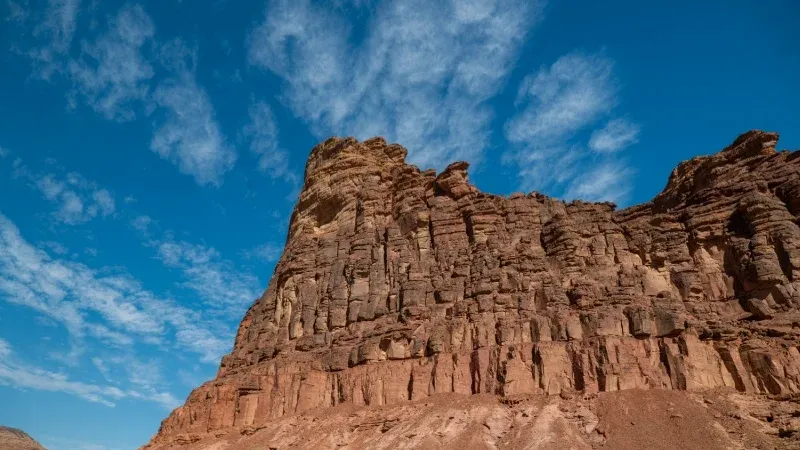
Located in the cliffs of Jabal Abul al-Hassan, the Lion Tombs of Dadan are one of the most striking archaeological features of the Kingdom of Dadan. These tombs are decorated with lion sculptures, which were symbols of strength and protection in the culture of the time.
- Jabal Ikmah
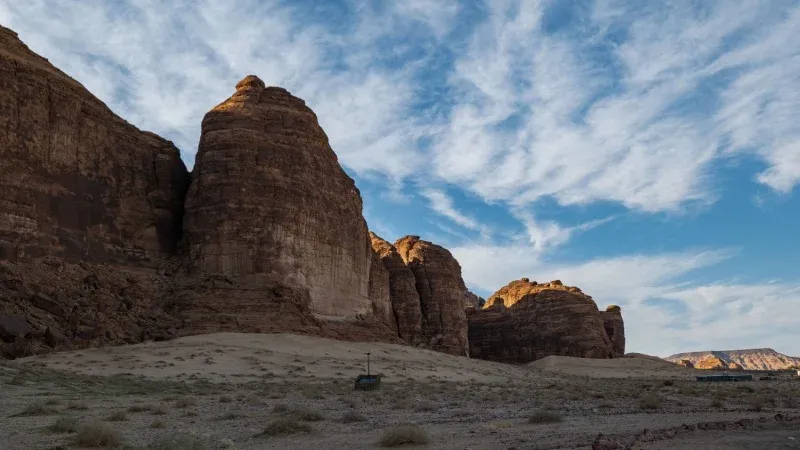
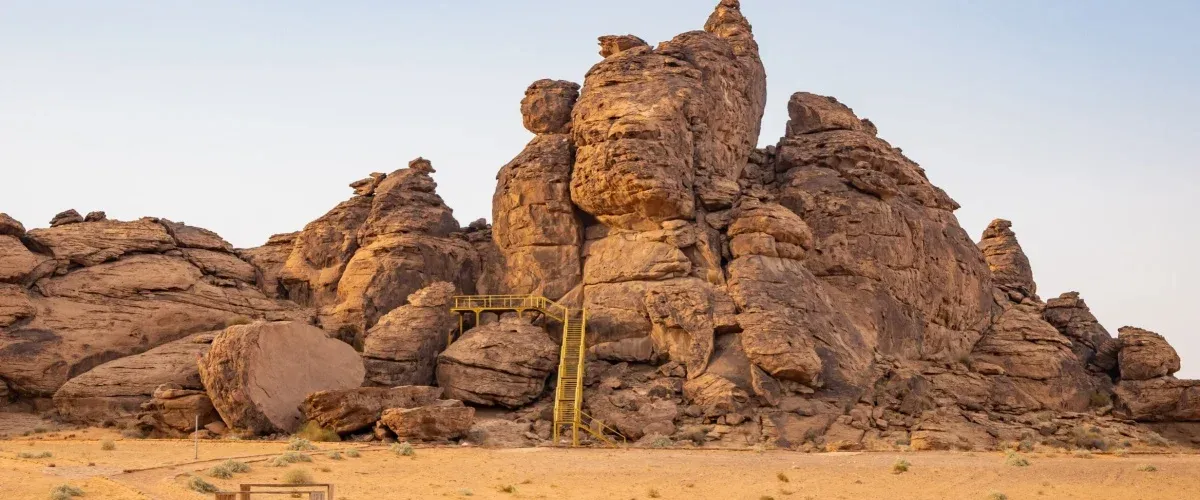
Known as a premier ‘open-air library’, Jabal Ikmah is a gorge featuring hundreds of Dadanitic inscriptions and ancient rock carvings. These records offer a profound glimpse into the trade networks, religious beliefs and cultural evolution of these long-lost kingdoms. The inscriptions found here include Aramaic, Thamudic, Dadanitic and Nabataean.
2. AlUla Was a Vital Stop on Ancient Trade Routes
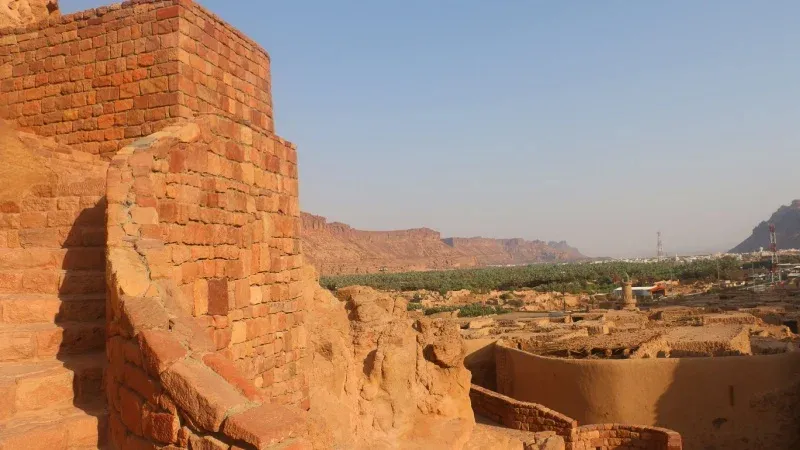
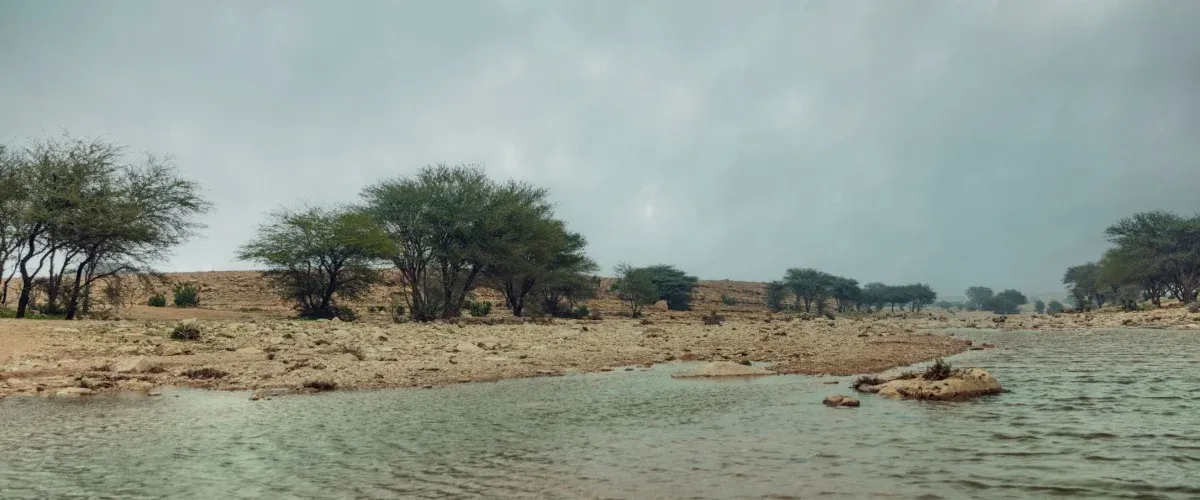
One of the most important aspects of AlUla’s history is its role as a major trading hub in the ancient world. Due to its strategic location and abundant water sources, the oasis became a natural stopping point for caravans traveling through the Arabian Peninsula.
Thousands of years ago, traders carried valuable goods such as frankincense, myrrh, spices, textiles, and precious metals from southern Arabia to the Mediterranean world. These goods moved along the famous Incense Route, which connected southern Arabia with regions such as Mesopotamia, Egypt and the Mediterranean.
AlUla’s fertile oasis provided travelers with water, food and rest. Palm groves, wells, and agricultural land made it a reliable place for caravans to replenish supplies before continuing their journeys across harsh desert landscapes.
Because of this constant movement of merchants, cultures, and ideas, AlUla became a melting pot of civilizations. Different languages, religions, and traditions passed through the region, leaving behind archaeological traces that historians continue to study today.
Suggested Read: Things to Do in AlUla: Where Adventure and Beauty Converge
3. AlUla is Home to the Monumental City of Hegra
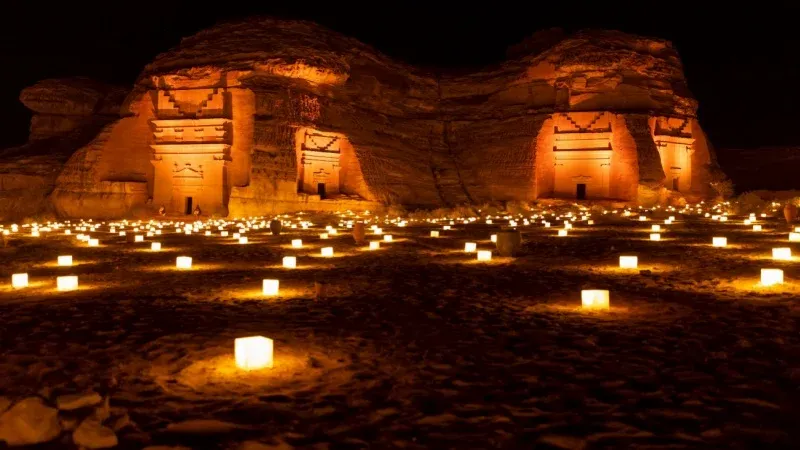
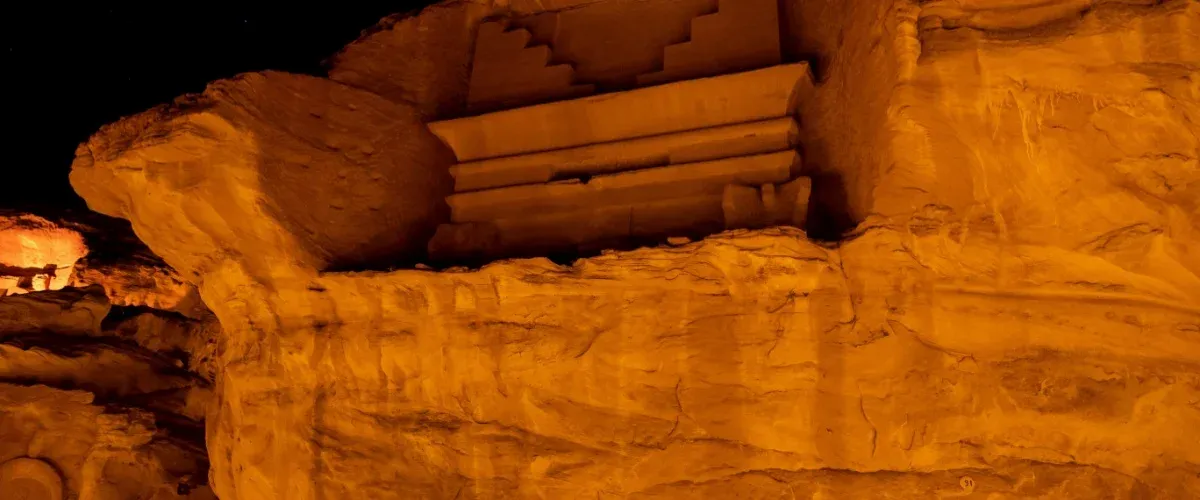
AlUla is home to Hegra (also known as Mada’in Salih), which was the southernmost capital of the Nabataeans and their second-largest city after Petra. In 2008, Hegra became Saudi Arabia’s first UNESCO World Heritage Site. The site contains over 110 remarkably preserved tombs dating from the 1st century BCE to the 1st century CE. It features more than 110 monumental tombs carved directly into the rose-gold sandstone cliffs. These tombs feature intricate facades decorated with columns, inscriptions, and symbolic carvings that reflect the Nabataeans’ advanced architectural skills.
Things to Do in Hegra:
- Visit the famous 72-foot-tall Qasr al-Farid (the Lonely Castle)
- Learn about Nabataean culture and their expert water engineering through a guided tour
- Take a Hot Air Balloon Ride above the desert landscapes at sunrise
- Experience the tombs illuminated at night
4. The Old Town of AlUla Preserves Islamic-Era Heritage
While AlUla’s history stretches back thousands of years, its story did not end with ancient kingdoms. The area continued to thrive during the Islamic period, particularly through the development of the historic settlement known as AlUla Old Town.
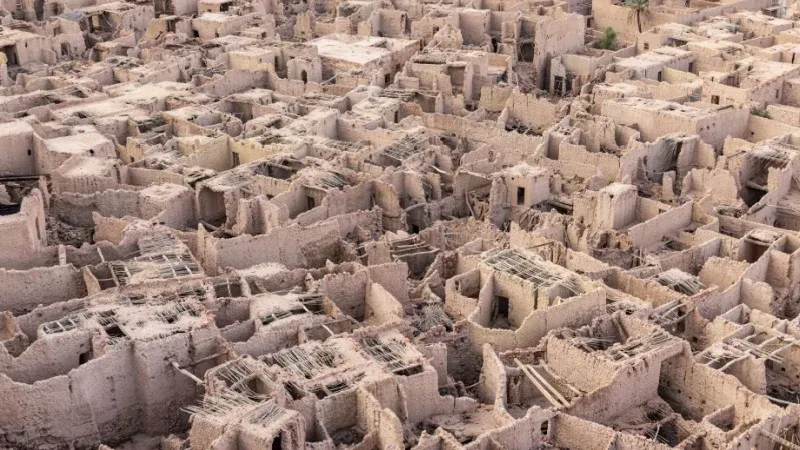
Built around the 12th century, this fortified town once served as an important stop for pilgrims traveling to the holy cities of Mecca and Medina. The town was carefully designed with narrow alleyways and tightly packed mudbrick houses, which helped protect residents from extreme desert temperatures and potential invasions.
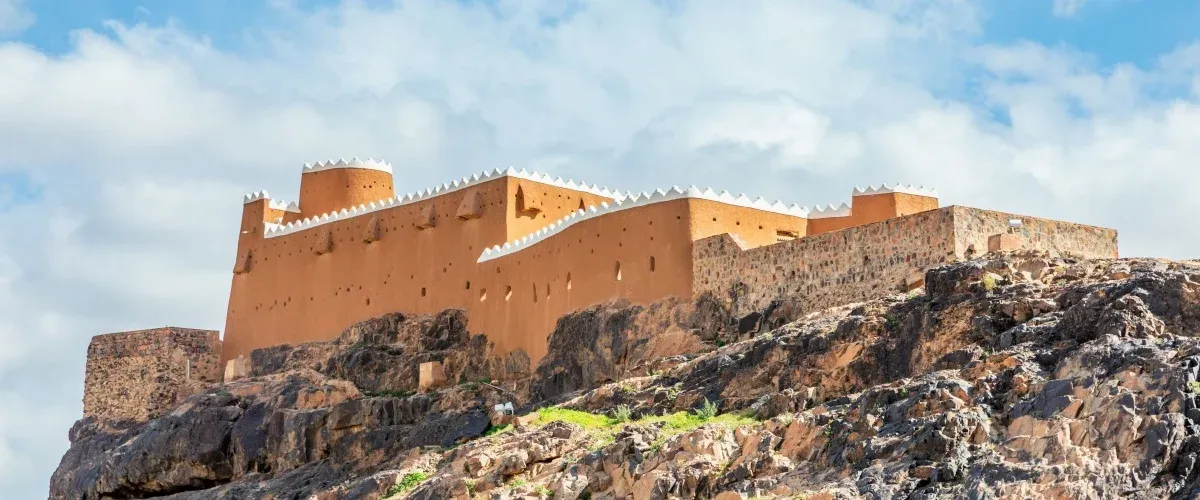
At its peak, AlUla Old Town contained more than 800 homes, shops, and mosques, forming a bustling community where farmers, traders, and pilgrims lived side by side. One of the most notable landmarks in the town is AlUla Fort, which sits on a rocky hill and once served as a defensive structure as well as a lookout point.
Although the town was eventually abandoned in the 20th century, restoration projects are now preserving its historic buildings and transforming it into a living heritage site that allows visitors to step back in time.
Suggested Read: Best Places to Visit in AlUla: Discover the Charm of Saudi Arabia's Cultural City
5. AlUla Is Becoming a Global Heritage and Cultural Destination
For centuries, many of AlUla’s archaeological treasures remained hidden beneath the desert sands. In recent years, however, major preservation and tourism initiatives have brought global attention to the region.
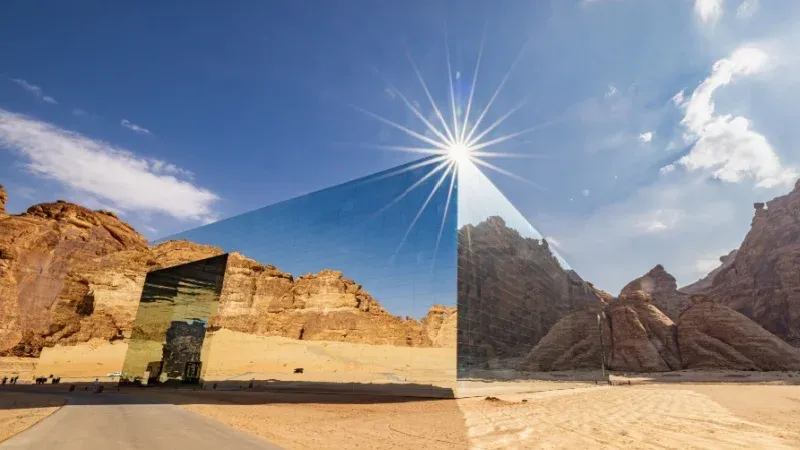
The Royal Commission for AlUla has launched extensive programs to protect archaeological sites, restore historic buildings, and promote sustainable tourism. One of the most iconic modern landmarks in the region is Maraya Concert Hall, a stunning architectural structure covered entirely in mirrored panels that reflect the surrounding desert landscape.
AlUla has also become a center for cultural events and festivals, including the annual Winter at Tantora festival. This event features music performances, art exhibitions, and cultural experiences that celebrate the region’s heritage while attracting visitors from around the world.
These initiatives aim to transform AlUla into one of the world’s leading heritage tourism destinations, while ensuring that its ancient sites remain carefully preserved for future generations.
The history of AlUla is not a static list of dates but a continuous thread of human ingenuity and resilience. From the lion-guarded tombs of Dadan to the intricate carvings of Hegra, this region proves how humanity once thrived in the desert. Exploring the history of AlUla in 5 fascinating facts reveals a legacy of hospitality that still defines the Kingdom's culture today. AlUla is finally taking its rightful place on the global stage, inviting the world to read the stories etched in its ancient stones. For those ready to witness this magic firsthand, many Saudi Arabia tour packages now feature AlUla as a premier destination, blending ancient wonders with modern luxury.
FAQs - History of AlUla in 5 fascinating facts
AlUla is an ancient oasis city in northwestern Saudi Arabia, known for its stunning desert landscapes, archaeological sites, and historical significance along ancient trade routes.
AlUla was a major stop on ancient trade routes and home to civilizations like the Dadanites and Nabataeans, making it one of Arabia’s most important historical regions.
Hegra is a UNESCO World Heritage Site featuring over 100 rock-cut Nabataean tombs carved into sandstone cliffs, similar in style to Petra in Jordan.
The tombs were built by the Nabataeans, an ancient Arab civilization known for their advanced architecture, trade networks, and water management systems.
Dadan was an ancient Arabian kingdom that ruled the AlUla region between the 9th and 2nd centuries BCE and controlled important trade routes.
AlUla Old Town is a historic mudbrick settlement from the 12th century that once served as a stop for pilgrims traveling to Mecca and Medina.
Yes, AlUla is now a major heritage tourism destination in Saudi Arabia, offering guided tours, cultural festivals, and archaeological experiences.
The best time to visit AlUla is from October to March when the weather is cooler and major cultural events and festivals take place.