Visiting Saudi Arabia for the first time can feel both exciting and overwhelming. From its rich history and stunning landscapes to unique cultural customs, there’s a lot to take in. Whether you’re exploring the bustling streets of Riyadh, the ancient wonders of Al-Ula, or the serene beaches of the Red Sea, a little preparation can make all the difference. In this guide, let’s discover essential Saudi Arabia travel tips for first-time visitors, allowing them to navigate the country with confidence and make the most of every moment. Read on...
Everything You Need to Know for Your First Visit to Saudi Arabia
If you’re planning your first visit, here are essential travel tips to help you make the most of your journey:
1. Learn About the Visa Legalities and Entry

Gone are the days when you needed a complex business sponsorship to enter. Today, citizens from over 60 countries (including the US, UK, and most of Europe) can apply for a Saudi eVisa online in minutes.
- Validity: The tourist eVisa is usually a one-year, multiple-entry visa that allows you to stay for up to 90 days.
- Insurance: The visa fee includes mandatory COVID-19 and medical insurance cover provided by the government.
- Religious Sites: While the tourist visa allows you to perform Umrah (the minor pilgrimage), please note that non-Muslims are strictly prohibited from entering the holy city of Mecca and the immediate vicinity of the Prophet’s Mosque in Medina.
2. Choose the Right Time to Visit
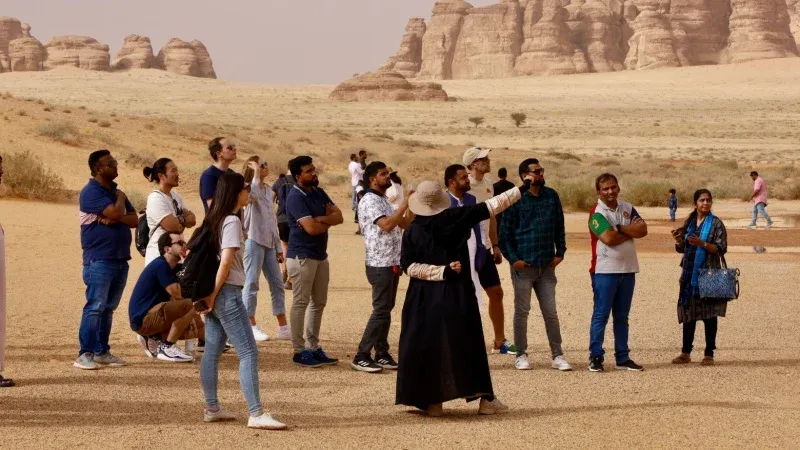
Saudi Arabia is essentially a desert, which means the heat is not a suggestion but a way of life. There is extreme heat in summer and mild winters. If you’re visiting during warmer months, plan outdoor activities early in the morning or late afternoon. Always carry water, sunscreen and a hat.
- Peak Season (November to February)
This period is the ‘sweet spot’. Cities like Riyadh and Jeddah experience pleasant temperatures, ranging from 22°C to 28°C. This is also when major festivals like Riyadh Season and AlUla Moments take place.
- Shoulder Season (March to April & October)
The weather begins to rise up to 30°C. It’s still manageable for coastal areas like Jeddah where the sea breeze helps, but desert excursions become taxing.
- Summer (May to September)
Unless you are heading to the mountain retreats of Abha or Taif, avoid this season. Temperatures regularly exceed 45°C.
3. Research Well and Understand the Cultural Norms
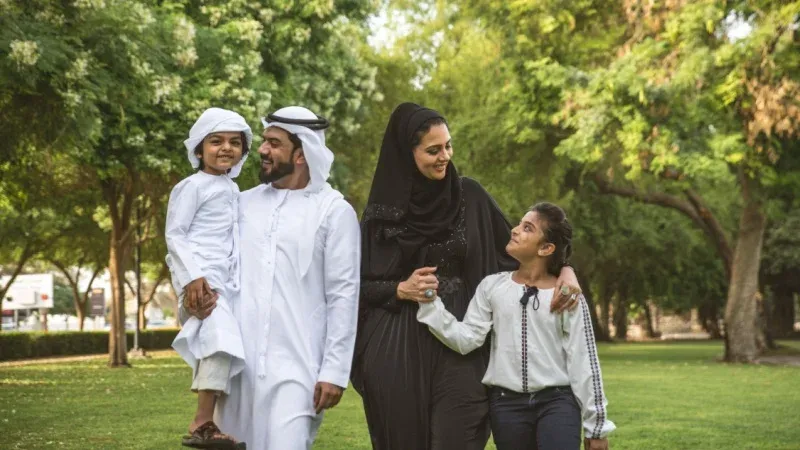
Saudi Arabia is modernizing rapidly, the nation has a deeply rooted culture influenced by Islamic traditions. Respecting local customs and norms is essential to avoid misunderstandings and enjoy a positive experience. In 2019, the government introduced the Public Decency Law, which provides clear guidelines for visitors.
- Dress Modestly
Both men and women should dress modestly, covering their shoulders and knees. Women are not required to wear a headscarf (hijab) or a black robe (abaya), though wearing an abaya in public is still common in many areas. Men should avoid sleeveless shirts and short shorts in public and are encouraged to wear loose-fitting trousers and long-sleeved shirts.
- Public Displays of Affection
Physical displays of affection, loud behaviour or public drunkenness are considered inappropriate in Saudi Arabia. Couples should avoid hugging, holding hands or any physical activity in public to respect local customs and maintain cultural sensitivity.
- The Right Hand Rule
Always use your right hand for eating, shaking hands and passing objects. The left hand is traditionally reserved for personal hygiene.
- The Weekend
In Saudi Arabia, the weekend is Friday and Saturday. Friday mornings are very quiet as most people are at the mosque, with life picking up significantly after sunset.
4. Know the Rules Around Religious Sites
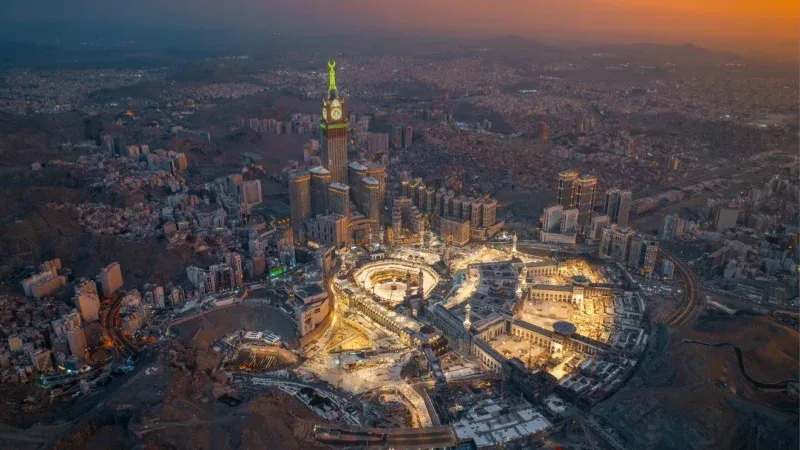
Non-Muslims are not permitted to enter the holy cities of Mecca. However, non-Muslims can visit certain parts of Medina, except for the Prophet’s Mosque. If you are traveling for Umrah or Hajj, plan months in advance and familiarize yourself with specific visa and entry requirements, especially during the annual pilgrimage season.
- Prayer Times: Life in Saudi Arabia revolves around the five daily prayers. Most shops and restaurants may close for 20–30 minutes during each prayer window. Download a prayer time app so you aren't caught outside a locked mall door.
5. Plan Your Transportation Wisely

Saudi Arabia is vast, and distances between major attractions can be significant. However, its rapidly evolving infrastructure offers diverse options for easy commute. While public transport like the Riyadh Metro is coming online, the Kingdom is still very much a car-centric society.
- Ride-Hailing: Uber and Careem (the local favorite) are the most reliable ways to get around cities. They are safe, affordable, and take the guesswork out of navigating.
- Car Rentals: If you plan on driving from Jeddah to AlUla, renting a car is a great option. The highways are world-class, though local driving styles can be... assertive.
- Intercity Trains: The Haramain High-Speed Railway is a game-changer for traveling between Jeddah, Medina, and Mecca (for Muslims). It’s fast, clean, and reaches speeds of up to 300 km/h.
6. Stay Connected and Pay Smart
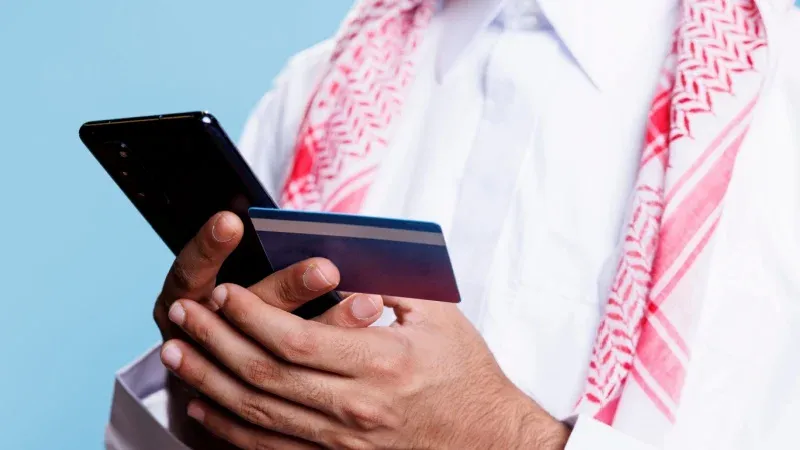
Saudi is nearly a cashless society now, with credit cards widely accepted in urban areas. However, it’s wise to carry some cash for smaller shops or rural markets.
- From high-end boutiques to small corner shops (Baqalas), Apple Pay and credit cards are accepted almost everywhere.
- You can easily purchase a local SIM card (STC, Zain or Mobily) at the airport. Major telecom providers offer tourist packages with generous data allowances and 5G coverage in major cities.
7. Follow Food and Dining Etiquette

Saudi cuisine is rich and flavorful, influenced by Arabian, Levantine, and Indian traditions. Must-try dishes include Kabsa (spiced rice with meat), Mandi (slow-cooked meat and rice) and Mutabbaq (stuffed savory pastry).
- When dining with locals, use your right hand to eat
- Accepting Arabic coffee (Gahwa) is a sign of hospitality
- It’s polite to try at least a small portion of what’s offered
8. Safety and Practical Advice
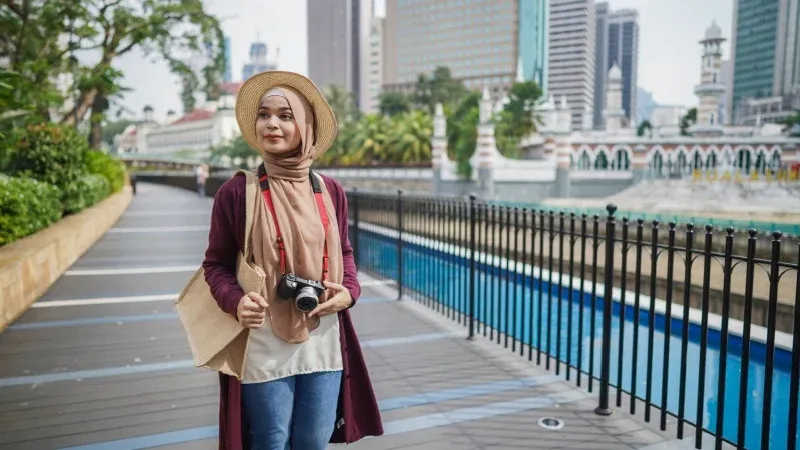
Saudi Arabia consistently ranks as one of the safest countries in the G20. Violent crime is extremely rare. As a solo traveler, including solo female travelers, you will likely find the Kingdom much safer to walk around at night than many Western capitals. However, basic travel precautions apply:
- Keep copies of important documents
- Follow local laws strictly
- Avoid political discussions in public settings
- Be aware of your surroundings
- Stay away from dark areas, especially at night
9. A Note on Photography and Social Media
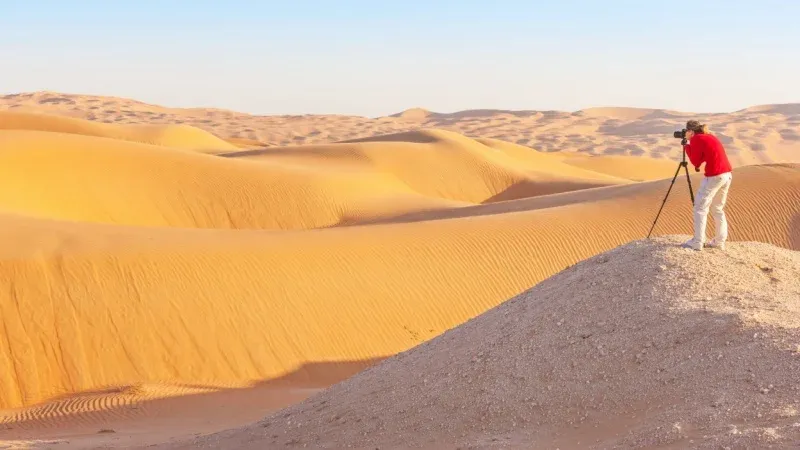
Saudi Arabia’s landscapes are stunning but be mindful when taking photos. While you are allowed to photograph most tourist sites and landscapes, never capture photos without explicit permission.
- Avoid photographing government buildings and military installations
- Always ask permission before taking pictures of people, especially women
- The use of drone requires official permission
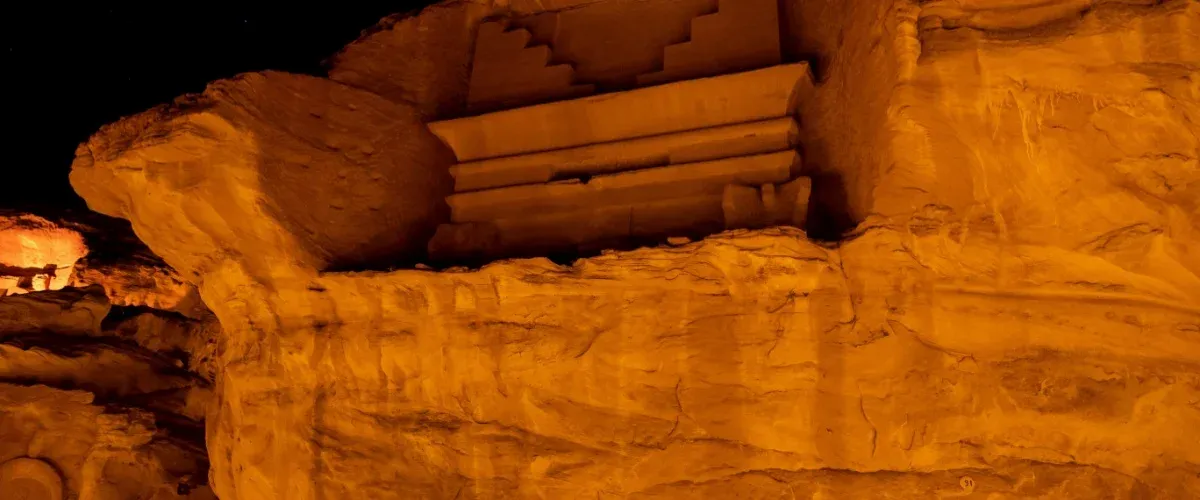
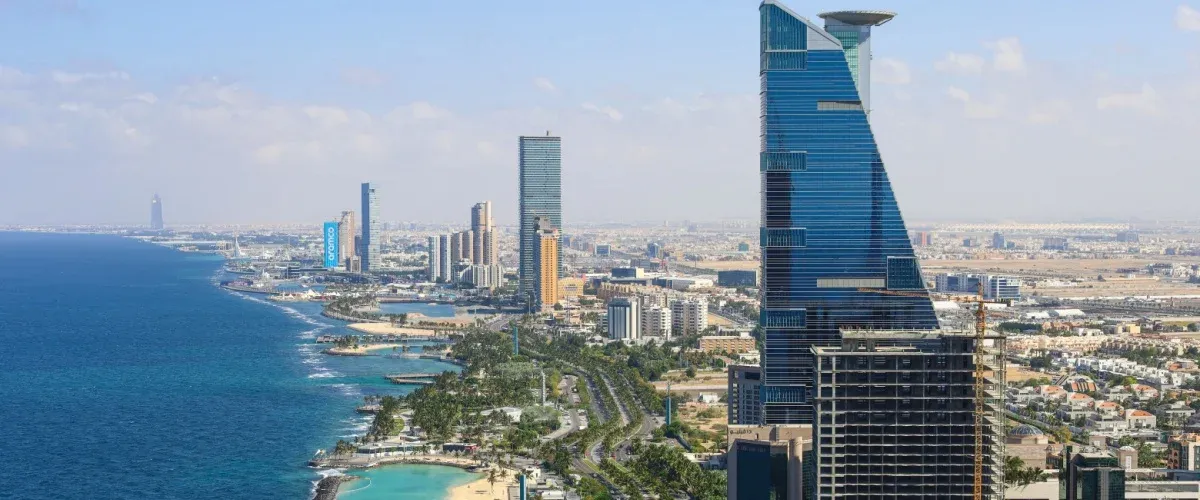
Saudi Arabia is ancient yet modern, traditional yet evolving. Whether you're exploring the Nabataean tombs of Hegra, wandering through the historic lanes of Al-Balad or admiring Riyadh’s skyline, you’ll discover a country redefining itself while preserving its heritage. Our guide to Saudi Arabia travel tips for first-time visitors will help you understand the culture, plan for the climate, and approach your journey with an open mind. Book our Saudi Arabia tour packages and get ready to experience warm hospitality, breathtaking landscapes and stories that will stay with you long after you return home.
FAQs - Saudi Arabia Travel Tips for First-time Visitors
Yes, most travelers require a visa. Saudi Arabia offers an eVisa for citizens of many countries, allowing multiple entries for tourism purposes. It’s recommended to apply online before your trip and ensure your passport is valid for at least six months from your arrival date.
Yes, Saudi Arabia is considered one of the safer countries in the region, with low crime rates. Major cities are modern and well-policed. As with any destination, visitors should follow local laws, respect cultural norms, and take standard travel precautions.
The best time to visit is between November and March, when temperatures are cooler and more comfortable for sightseeing. Summers can be extremely hot, especially in desert areas.
Modest clothing is recommended. Women should wear loose-fitting outfits that cover shoulders and knees. Men should avoid sleeveless shirts and very short shorts. While abayas are not mandatory for tourists, dressing conservatively shows cultural respect.
Non-Muslims are not permitted to enter Mecca. In Medina, non-Muslims may visit certain areas of the city but cannot enter the Prophet’s Mosque. Always check current regulations before planning your trip.
Yes, English is widely spoken in major cities, hotels, airports, and tourist attractions. However, learning a few basic Arabic phrases can enhance your travel experience and is appreciated by locals.
Domestic flights are the fastest way to travel between major cities. Within cities, taxis and ride-hailing apps like Uber are available. Renting a car is a good option if you plan to explore remote areas or desert landscapes.
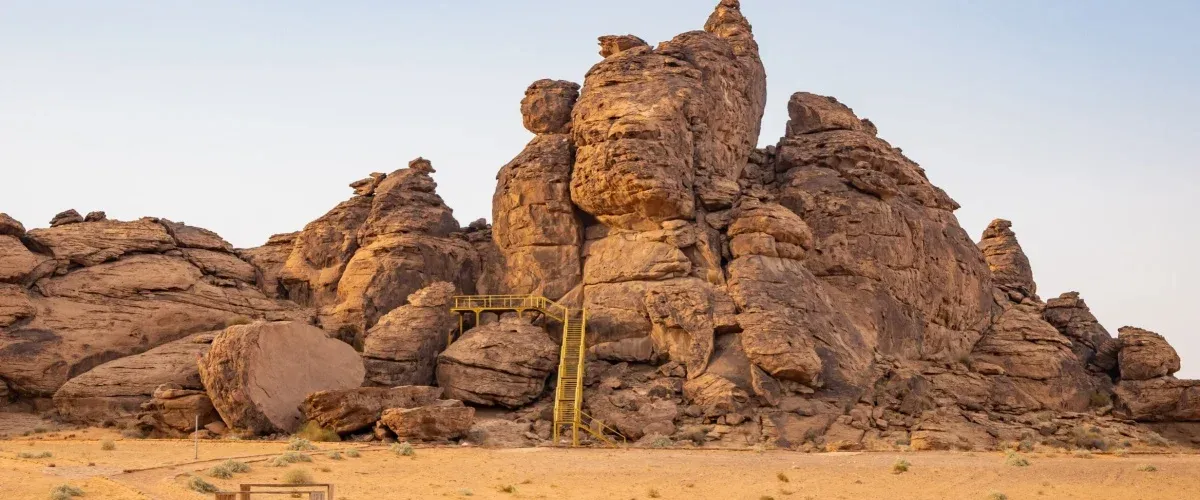
First-time visitors should consider exploring AlUla and Hegra for ancient history, Riyadh for modern city life, and Jeddah for coastal charm and historic architecture.