Eid in Saudi Arabia is not just a religious festival but a deeply rooted cultural experience that blends spirituality, traditions and celebration. As the birthplace of Islam and home to its two holiest cities, Saudi Arabia observes Eid with deep spiritual devotion and joyful community gatherings. Both Eid al-Fitr, marking the end of Ramadan, and Eid al-Adha, commemorating Prophet Ibrahim’s willingness to sacrifice for God, are celebrated with unique customs that reflect Saudi hospitality and Islamic values. From prayers at dawn and acts of charity to festive feasts and family gatherings, Eid rituals offer unforgettable experiences. Let’s take a look at the top Eid rituals to experience in Saudi Arabia for the most authentic celebration.
Eid in Saudi Arabia: Rituals, Traditions & Cultural Experiences
1. The Spiritual Beginning: Eid Morning Prayer
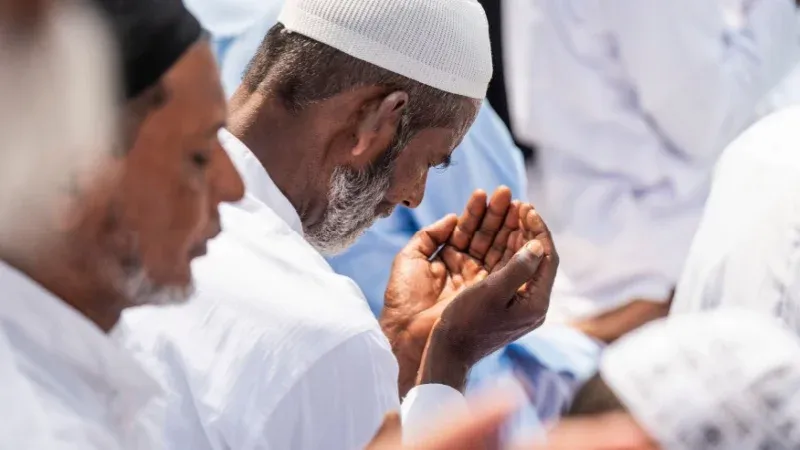
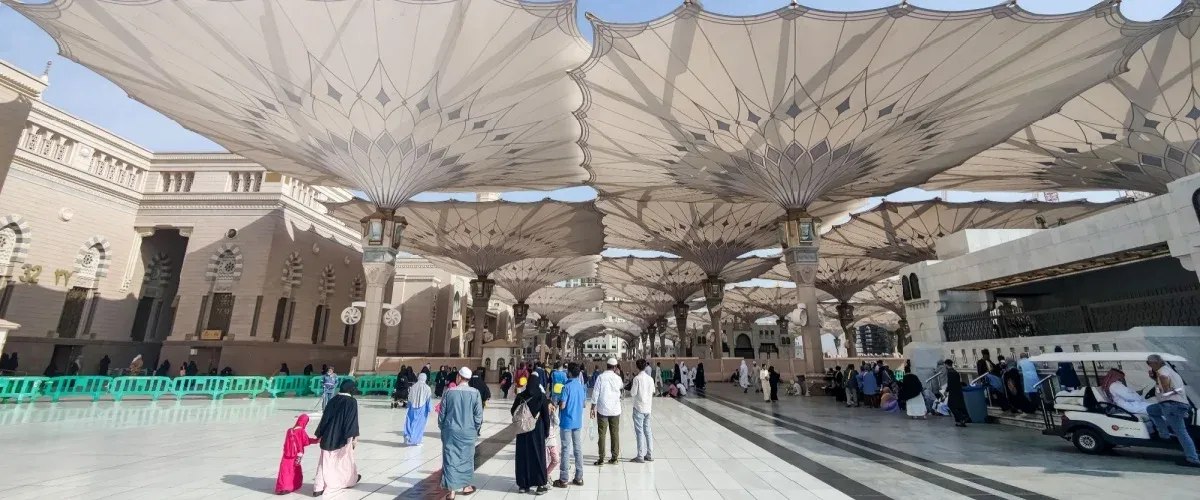
The day of Eid begins with prayers early in the morning, one of the most important rituals. Muslims across Saudi Arabia gather in mosques and large open prayer grounds known as musallas. Families dress in their best clothes and head together to the prayer, creating a festive yet deeply spiritual atmosphere. The Eid prayer differs slightly from regular daily prayers, as it includes additional takbeers, where worshippers repeatedly glorify God. After the prayer, an imam delivers a sermon focusing on gratitude, compassion, unity and charity. In the holy cities of Mecca and Medina, the Eid prayer is especially powerful to witness. Thousands of worshippers gather around the Grand Mosque and the Prophet’s Mosque, creating a moving display of devotion and community spirit.
2. Giving Charity: Zakat al-Fitr and Acts of Kindness

Charity is one of the core values emphasized during Eid. Before the Eid prayer during Eid al-Fitr, Muslims are required to give Zakat al-Fitr, a charitable donation intended to help those in need celebrate the festival. In Saudi Arabia, this ritual is widely practiced. Families donate money, food items, or essential supplies to people who may not have the resources to celebrate Eid comfortably. Mosques and charities organize collection points to ensure donations reach the right recipients. This tradition highlights the idea that Eid should be a joyful occasion for everyone. The act of giving strengthens community bonds and reflects the Islamic emphasis on compassion and social responsibility.
3. Wearing Traditional and Festive Clothing
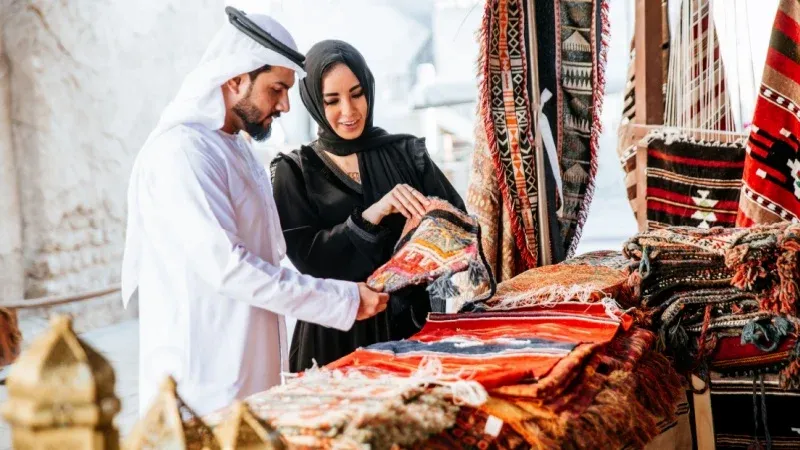
Another beloved Eid ritual in Saudi Arabia is wearing new or special clothing. This tradition symbolizes renewal, gratitude, and celebration after a period of spiritual reflection. Men often wear freshly pressed thobes, the traditional long white robe, along with a ghutra or shemagh head covering. Women typically dress in elegant abayas or beautifully decorated garments, often paired with jewelry and intricate embroidery. Children are particularly excited about this tradition, as families often buy them new outfits specifically for Eid. The colorful and festive clothing adds to the cheerful atmosphere seen in homes, mosques, and public spaces across the Kingdom.
4. Warm Greetings and Embracing Loved Ones
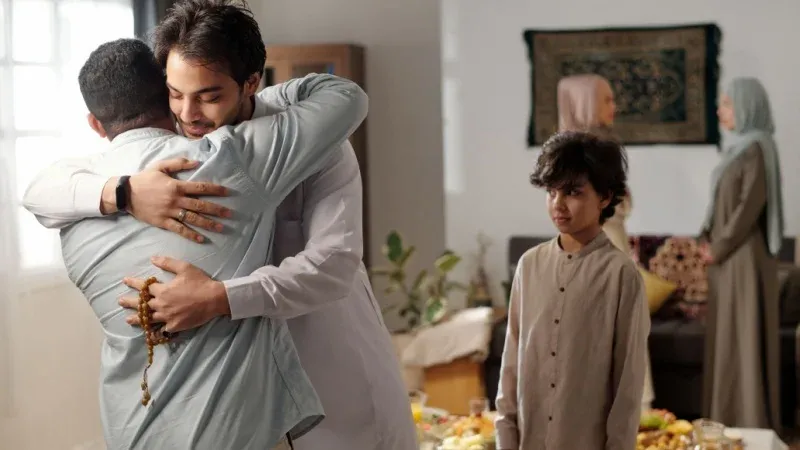
After the Eid prayer, people greet one another with heartfelt phrases such as “Eid Mubarak” and “Taqabbal Allah minna wa minkum,” which means “May Allah accept from us and from you.” Friends, relatives, and neighbors often embrace and exchange good wishes. Eid is also considered a time for forgiveness and reconciliation, so many people use this opportunity to mend relationships and strengthen friendships. The exchange of greetings creates a sense of unity and warmth that spreads throughout communities, making Eid a truly joyful celebration.
5. Visiting Family and Strengthening Bonds
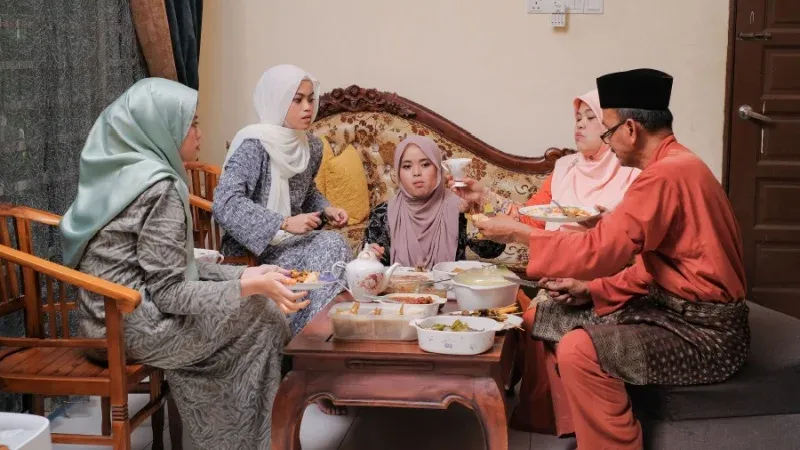
Family visits are a central part of Eid celebrations in Saudi Arabia. After the morning prayer, people typically visit their parents, grandparents, and extended relatives. These gatherings allow families to reconnect, share stories, and celebrate together. Elders are respected and honored during these visits, and younger family members often spend time listening to their advice and experiences. Large family meals and social gatherings are common, and homes remain open throughout the day to welcome guests. This tradition reflects the strong emphasis on family values within Saudi culture.
6. Enjoying Traditional Eid Foods
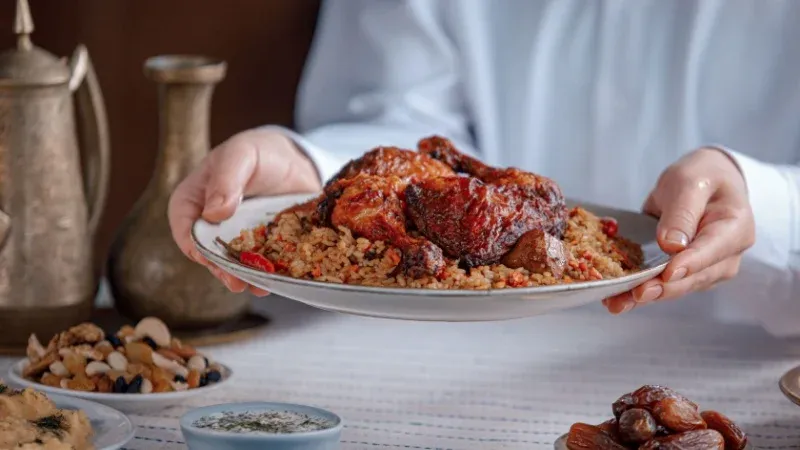
Food plays a major role in Eid celebrations across Saudi Arabia. Families prepare a variety of traditional dishes to share with relatives and guests.
Some popular Eid dishes include:
- Kabsa – a flavorful rice dish with spiced meat
- Mandi – slow-cooked rice and tender meat
- Jareesh – crushed wheat cooked with meat and yogurt
- Maamoul – sweet pastries filled with dates or nuts
Breakfast after the Eid prayer often includes dates, Arabic coffee, and sweets. Throughout the day, elaborate meals are served to visiting guests, reflecting the Kingdom’s strong tradition of hospitality.
7. Giving Eidiya: Gifts for Children
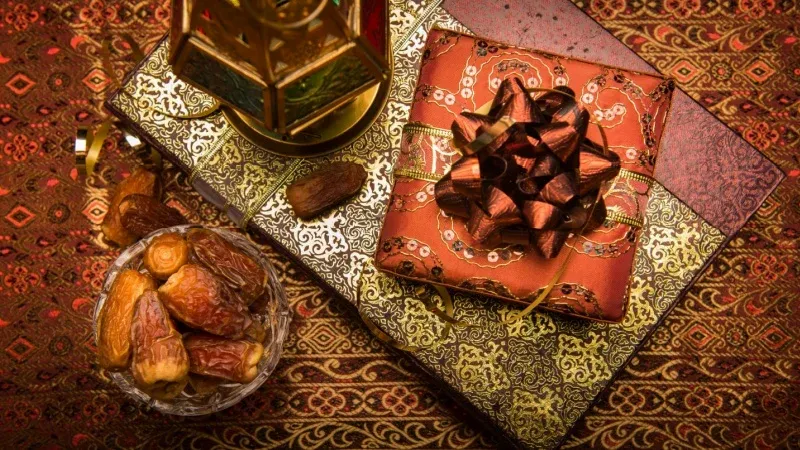
One of the most exciting traditions for children during Eid is receiving Eidiya, which usually consists of money or small gifts given by elders. Children eagerly visit relatives’ homes, knowing they will receive envelopes containing money or treats. This tradition brings joy to younger family members and encourages generosity among adults. Shopping malls and markets across Saudi Arabia become especially busy before Eid, as families purchase toys, sweets, and gifts for children.
8. Community Festivals and Public Celebrations
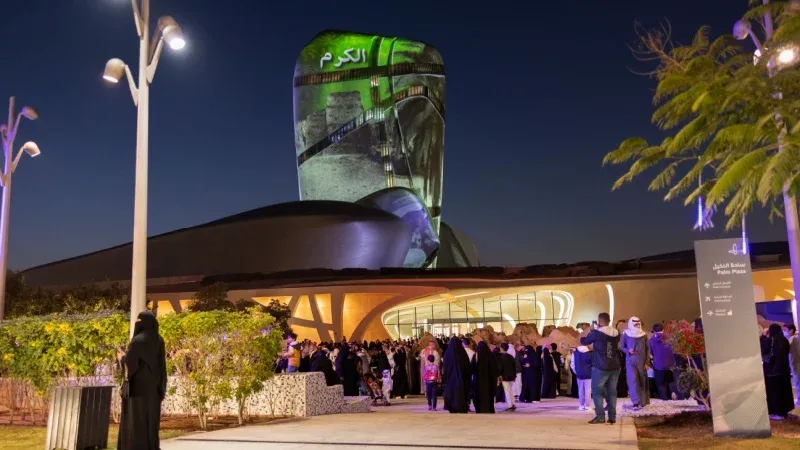
In recent years, public Eid celebrations have become increasingly popular in Saudi Arabia. Major cities host large festivals featuring entertainment and cultural activities. Cities such as Riyadh, Jeddah, and Dammam organize events including fireworks displays, concerts, cultural shows, and family entertainment programs. Parks, shopping centers, and public spaces are decorated for the occasion, creating a lively atmosphere that attracts families and visitors alike. These events add a modern touch to traditional Eid celebrations.
9. Sacrifice and Sharing During Eid al-Adha
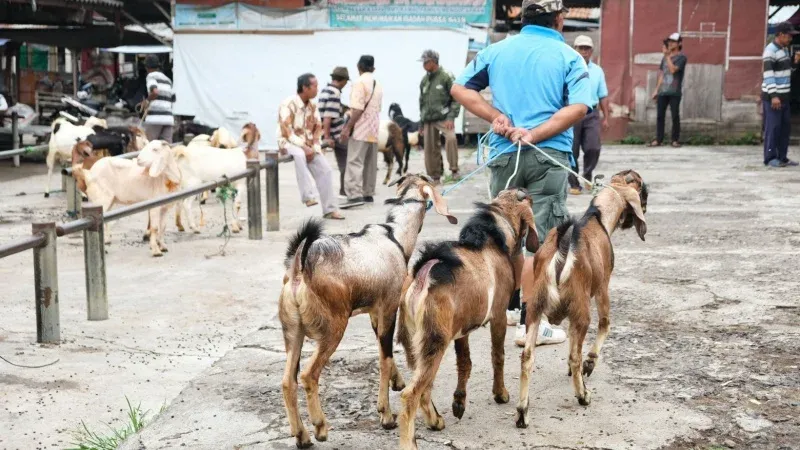
During Eid al-Adha, one of the most important rituals is the sacrifice of an animal, usually a sheep, goat, or camel. This practice commemorates the story of Prophet Ibrahim and his willingness to sacrifice his son as an act of obedience to God. After the sacrifice, the meat is divided into three parts: one portion for the family, one for relatives and friends and one for those in need. In Saudi Arabia, many people arrange the sacrifice through licensed organizations that ensure the meat is distributed fairly and hygienically. This ritual emphasizes generosity and community support.
10. Visiting Holy Cities and Performing Umrah
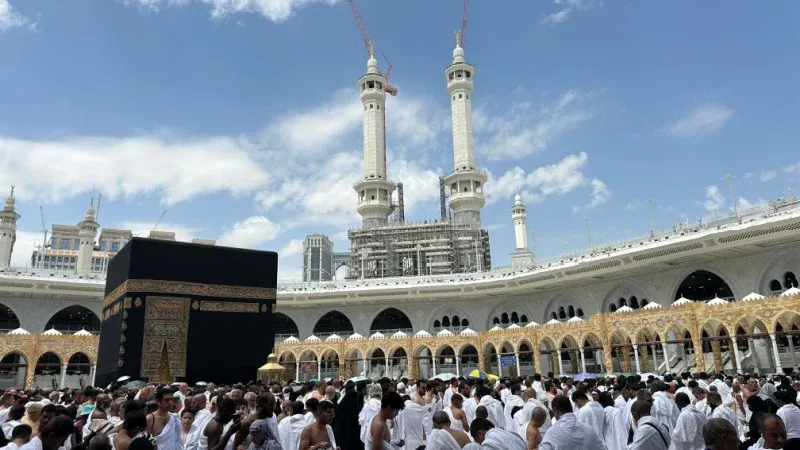
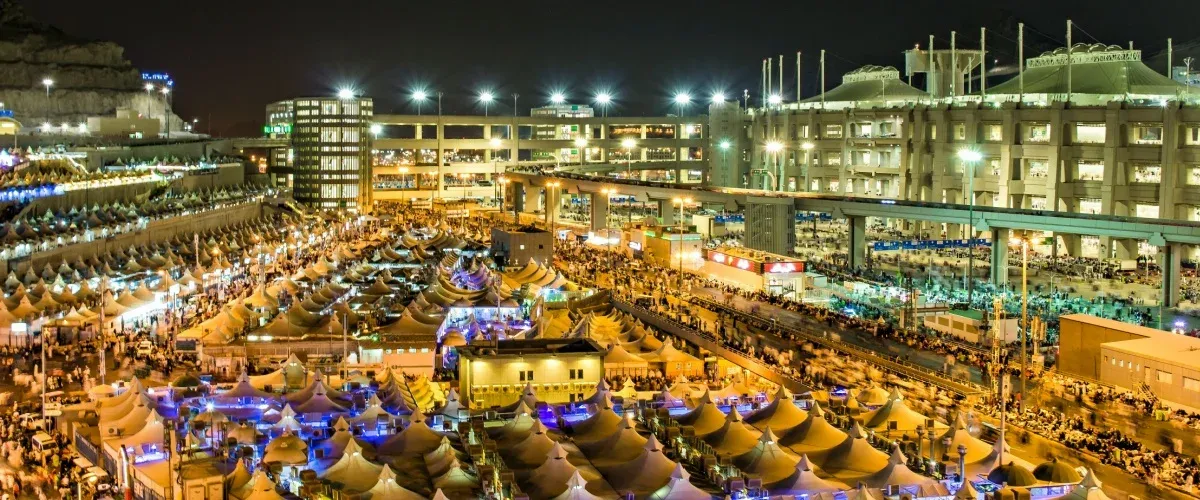
Many Muslims choose to spend Eid in Saudi Arabia’s sacred cities of Mecca and Medina. During this time, pilgrims often perform Umrah, the lesser pilgrimage. The atmosphere in these cities during Eid is deeply spiritual, as millions of worshippers gather to pray and celebrate together. The Grand Mosque in Mecca and the Prophet’s Mosque in Medina become centers of global unity for Muslims. Experiencing Eid in these holy places is considered a profound and unforgettable spiritual journey.
11. Indulge in Traditional Saudi Hospitality
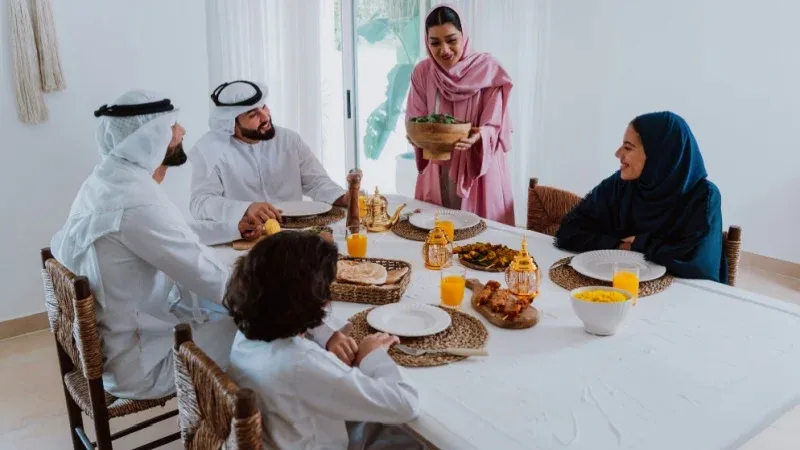
Hospitality is a key part of Saudi culture, and it becomes even more evident during Eid celebrations. Guests are warmly welcomed with Arabic coffee (Gahwa) and dates. Serving coffee follows traditional customs, where the host pours small cups and offers them to guests as a sign of respect and generosity. Sweets and desserts are often served alongside coffee, encouraging conversation and social bonding. This ritual reflects the warmth and generosity that characterize Saudi hospitality.
12. Cultural Performances and Heritage Traditions
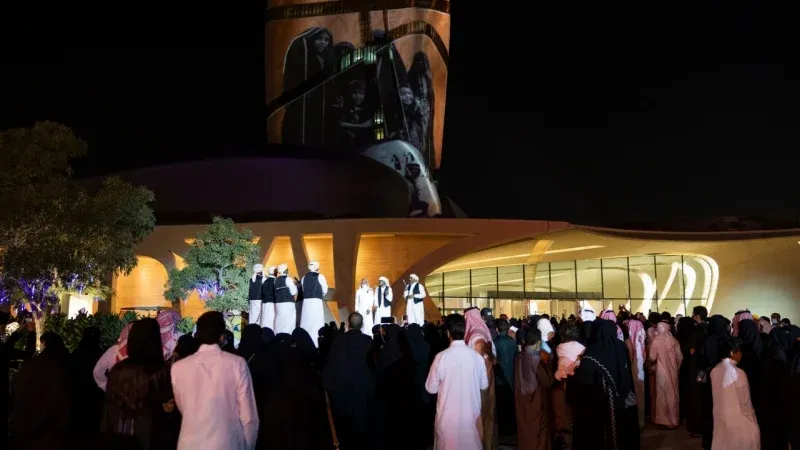
In some regions of Saudi Arabia, Eid celebrations include traditional dances and cultural performances that showcase the country’s rich heritage. One of the most famous is the Ardha, a traditional sword dance performed by men standing in rows while chanting poetry and rhythmic verses. The dance represents unity, pride, and historical traditions. These performances are often organized at cultural festivals, public events, or family celebrations during Eid.
Eid celebrations in Saudi Arabia beautifully combine spirituality, cultural heritage, and joyful community gatherings. From the powerful experience of Eid prayers to the warmth of family visits, charity, and festive meals, every ritual carries deep meaning. These traditions highlight the values of generosity, unity, hospitality, and gratitude that lie at the heart of Islamic culture. For visitors, discovering the top Eid rituals to experience in Saudi Arabia offers a unique opportunity to witness these values in action through shared happiness and faith. Book our Saudi Arabia tour packages for the best experience!
FAQs - Eid Rituals to Experience in Saudi Arabia
The Eid prayer is the primary ritual. Performed shortly after sunrise in large outdoor musallas or mosques, it brings thousands together for a powerful start to the festivities.
Families gather for a large breakfast after prayer. It is a time for hospitality, where relatives visit each other, exchange greetings, and enjoy traditional sweets like Maamoul.
Eidiya is a beloved Eid tradition where elders give cash gifts to children. It’s a highlight for the youth, symbolizing generosity and spreading joy during the festive season.
Yes, major cities in Saudi Arabia host fireworks, parades, and folklore dances like the Ardah. These are among the top Eid rituals to experience in Saudi Arabia for any visitor.
Meat is the centerpiece of foods served in Saudi Arabia during Eid, often served as Kabsa or Mugalgal. Since it follows the Qurbani sacrifice, sharing fresh meat with family and the needy is a core ritual.
Many smaller shops close briefly for morning prayers, but large malls and restaurants stay open, often featuring extended hours and special Eid promotions for shoppers and families.
Before Eid al-Fitr, Muslims must give Zakat al-Fitr, a charitable donation of food or money, ensuring that the less fortunate can also enjoy the festivities and meals.
Locals wear new clothes, often traditional Thobes and Abayas. While visitors aren't required to wear traditional dress, dressing modestly and neatly shows respect for the holiday’s spiritual significance.